Events are an integral part of the master programs: from workshops with guests professors to lectures series with relevant practitioners.
Wed, Nov 4, 2026
Masters’ Talks
7.30 pm — Event at DHub
Open to the public

Izaskun Chinchilla
Los barrios del buen vivir: A Perspective from Tentative Design
Los barrios del buen vivir: A Perspective from Tentative Design
What if designers made fewer mistakes if they stopped trying to get it right the first time? Neighborhoods of Good Living explore a city understood not as a finished object, but as a living laboratory: spaces that are tested, inhabited, evaluated, and transformed. The lecture will explore the work of Izaskun Chinchilla Architects and the book Neighborhoods of Good Living to ask what happens when design abandons certainty and embraces hypothesis, experimentation, and adaptation. A perspective from tentative design to conceive of well-being as something experienced collectively.
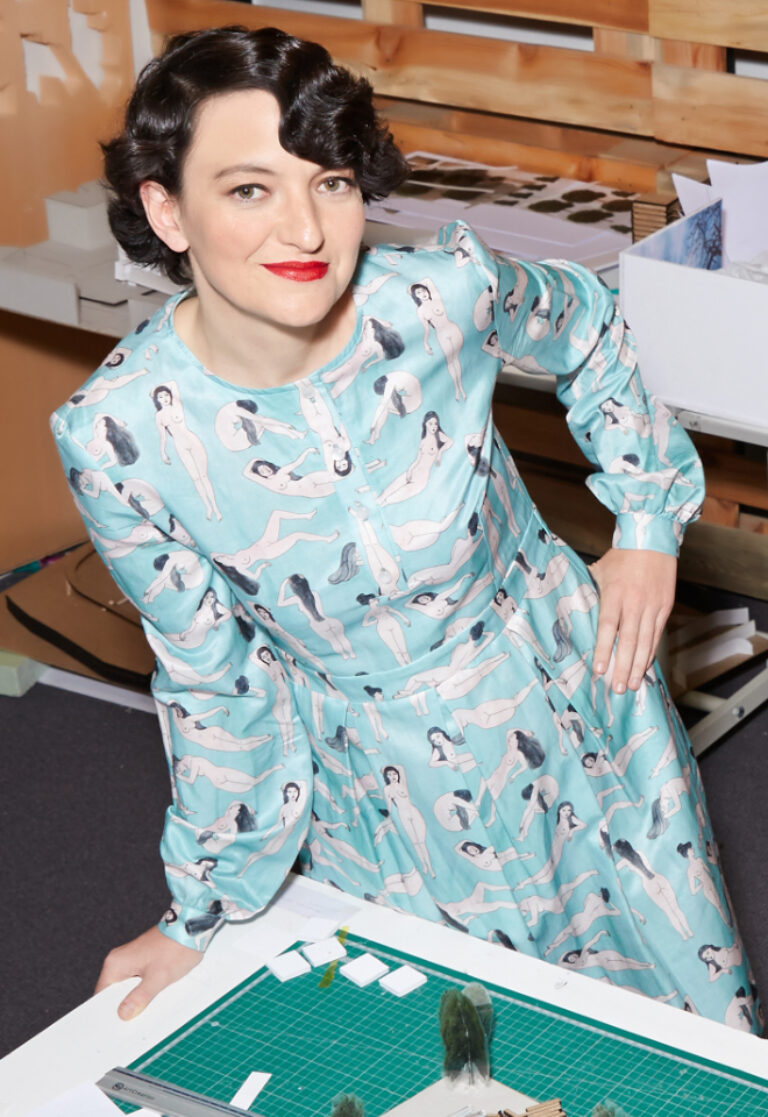
Izaskun Chinchilla, a professor at the Bartlett School of Architecture, University College London (UCL), and an honorary fellow of the Royal Institute of British Architects (RIBA), integrates ecology, care, and participation into her practice, research, and teaching. Her work promotes more equitable and sustainable cities. She combines design, critical thinking, and cultural knowledge to promote an architecture that is educational, cooperative, and oriented toward the common good. She is the author of La ciudad de los cuidados (Catarata, 2021) and Los barrios del buen vivir (Catarata, 2026).
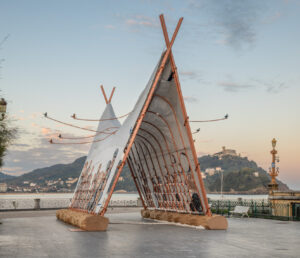
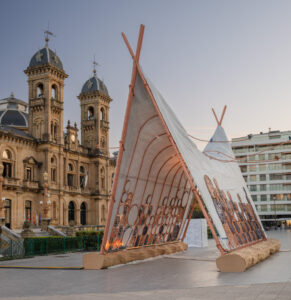
Izaskun Chinchilla Architects is a group of architects led by Izaskun Chinchilla that brings together interdisciplinary teams for each project. Their work focuses on optimizing the environmental performance of architecture, public space, facilities, art, and cultural products through innovation. Public engagement and social participation are pillars of their practice, which promotes collaboration in the construction of shared spaces and community-based decision-making regarding the use, location, and characteristics of the facilities they design.


past events
Tue, Oct 14, 2025
Workshop

Mario Santamaría
AI Infrastructure
Only for MAIAD students
AI Infrastructure
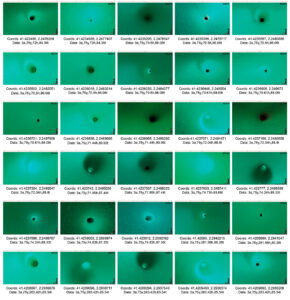
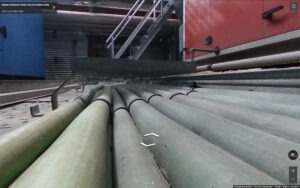
Like other digital technologies, the rise of AI is propped up by the myth that these systems are weightless and abstract. The fantasy of a spotless Cloud floating beyond the physical world conceals the reality: vast stretches of fiber-optic lines, sprawling data centers, and growing energy use. The workshop explores the fact that the Internet driving AI is a mesh of hidden materials and infrastructures, from anonymous city buildings to beaches where buried undersea cables link continents.
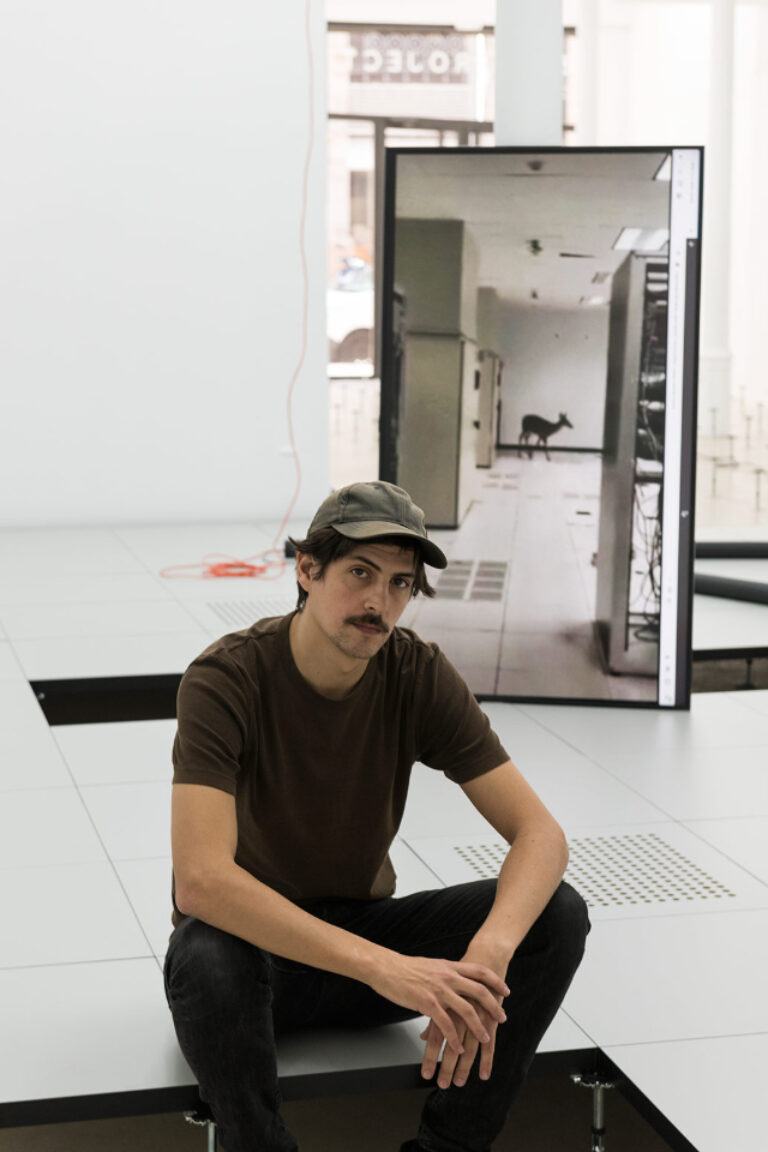
Mario Santamaría is a Barcelona-based visual artist who works with a wide range of media, frequently using photography, video, performance, websites, and online interventions.
His recent work seeks to embody protocols and processes of information distribution, performing actions such as physically travelling to his website by repeating the path of data; going for beers around the city as a Google algorithm or creating a tour operator based on the infrastructure of the Internet.

Wed, May 14, 2025
masters’ talks
7.30 pm — Event at DHub
Open to the public

Rob Giampietro, Notion
20 Years in Design
20 Years in Design
Across nonprofit and for profit, startups and scale, on boards and in residence, in print and with AI, as a writer, designer, teacher, and leader — Rob’s career has spanned a wide range of projects at the intersection of design, culture, and technology. This talk will share some recent work from Notion as well as work from Google and MoMA, connected in their uses of strategic inquiry, brand-focused storytelling, and multidisciplinary human-centered design to convey unique stories and experience to global audiences.
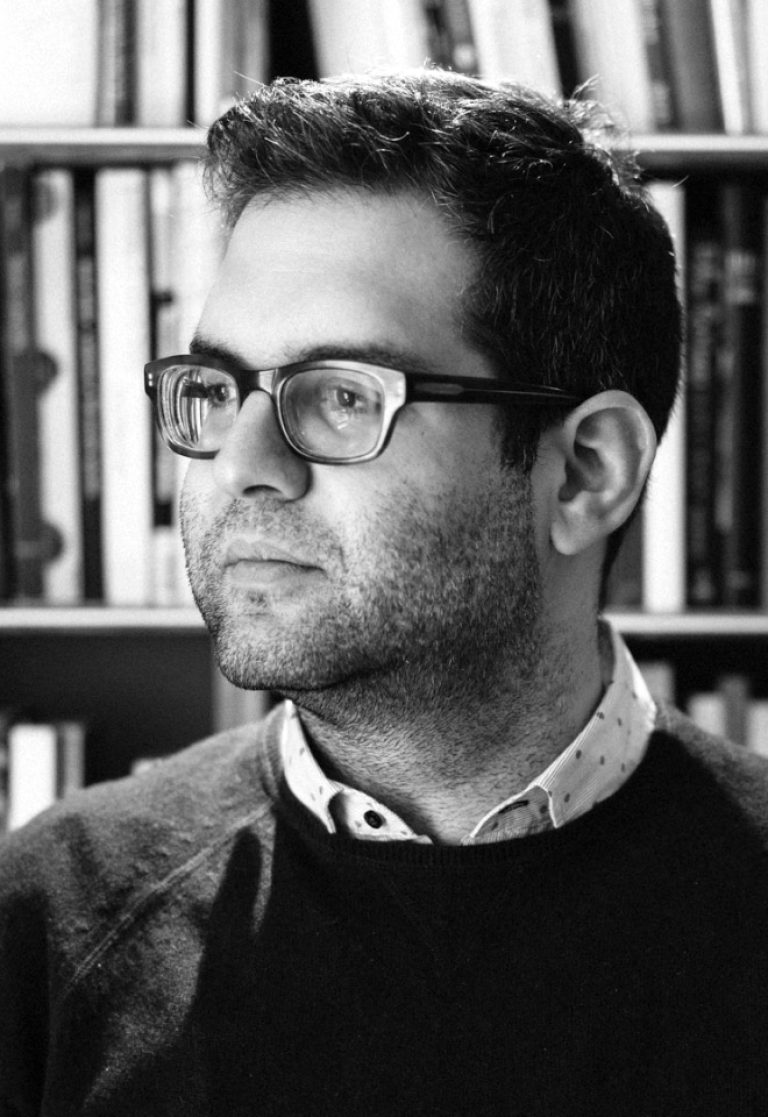
Rob Giampietro is a designer based in New York, where he is Head of Creative at Notion, a productivity tool celebrated by Forbes’ “AI 50” list in 2024. Active across worlds of design, art, and technology, Rob has held creative leadership roles at Google (Material Design, Research & Machine Intelligence, Search/Assistant) and MoMA, where he was Director of Design during the museum’s historic 2019 expansion.
Rob taught for over a decade in RISD’s MFA Graphic Design program and has served as VP of AIGA/NY. In 2024, he was a jury chair for AIGA’s 100th Annual 50 Books 50 Covers awards. A graduate of Yale, Rob has had fellowships at MacDowell and the American Academy in Rome, along with recognition from the National Design Awards for his work at Project Projects. Rob has been an Advisor to the Aspen Ideas Festival and is a trustee and board member of the Aperture Foundation.
Notion is the connected workspace that allows teams and individuals to easily share documents, take notes, manage projects, and organize knowledge—all in one place. Users can create and customize beautiful documents, roadmaps, knowledge bases, and more, helping them work smarter and faster.
es.


We, Mar 19, 2025
masters’ talks
7.30 pm — Event at DHub
Open to the public

Michael Hansmeyer
Tools of Imagination
Today, we can fabricate anything. Digital fabrication now functions at both the micro and macro scales, combining multiple materials, and using different materialization processes. Complexity and customization are no longer impediments in design.
While we can fabricate anything, design arguably appears confined by our instruments of design: we can only design what we can directly represent. If one looks at 3D-printed artifacts, there is oftentimes a discrepancy between the wonder of technology, and the conventionalism of design. We appear unable to exploit the new freedom that digital fabrication offers us. In short: we can currently fabricate more than we can design.
What is needed is a new type of design instrument. We need tools for search and exploration, rather than simply control and execution. As of yet, we have countless tools to increase our efficiency and precision. Why not also create tools that serve as our muse, that inspire us and help us to be creative? Tools to draw the undrawable, and to imagine the unimaginable.
What we stand to gain are entirely new spatial and haptic experiences. A playful design that stimulates the senses, elicits curiosity, and invites interaction. A design environment that simultaneously allows control and surprise, and that embraces and celebrates the unforeseen.
© Jacek Poremba
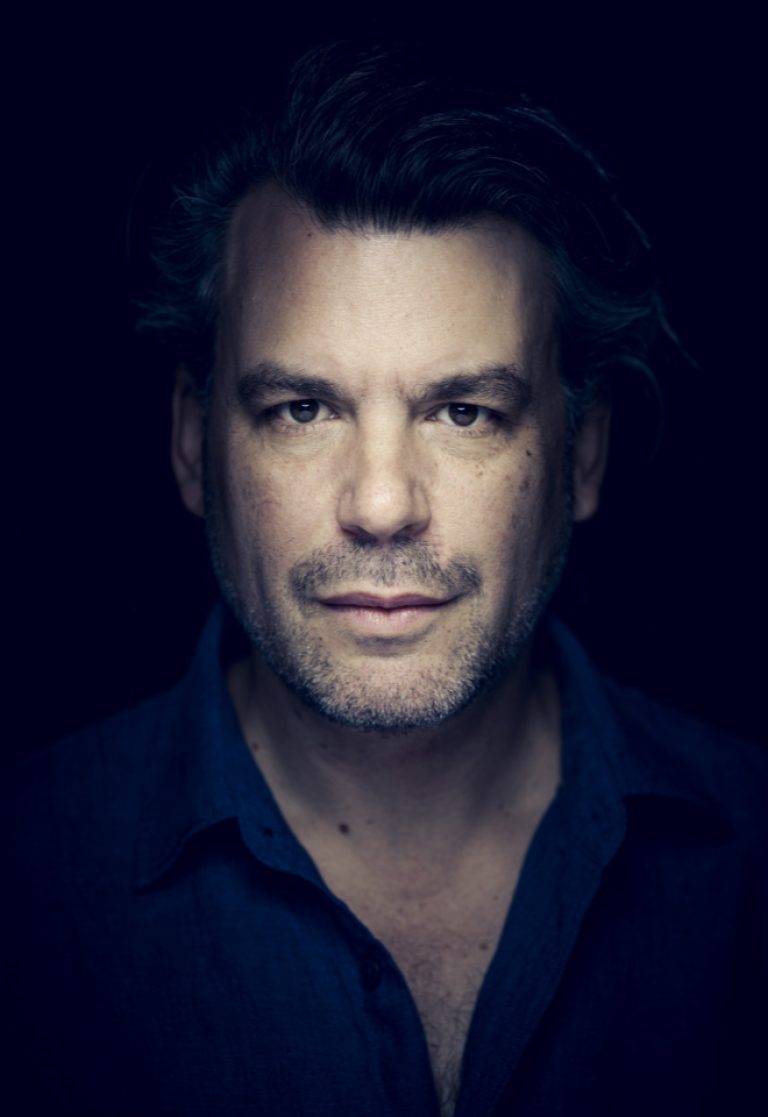
Michael Hansmeyer is an architect and programmer who writes algorithms to generate and fabricate architectural form. Recent work includes the design of a 3D printed concrete tower in the Swiss alps, an installation of a forest of columns at Grand Palais in Paris, and the fabrication of a muqarna for Mori Art Museum in Tokyo. Michael taught architecture as visiting professor at the Academy of Fine Arts in Vienna and at Southeast University in Nanjing, and as a lecturer at the CAAD group at ETH Zurich. He previously worked for Herzog & de Meuron architects, and holds an architecture degree from Columbia University.


Feb 17 — 21, 2025
interdisciplinary workshops

Luna Maurer
Manifesto for the imperfect human — Friction Circus—
Only of master students
[A tool] emphasising that what makes us human — our imperfections
As designers, entrepreneurs and architects of digital culture we feel the urge to refocus how we deal with our digital futures. Technology tries to create seamless experiences, even out all our wrinkles. AI is suggesting us a smooth and predictable future, chatGPT is writing us perfect texts, spelling mistakes getting extinct. This is an investigation in friction and human messiness – imperfection, and how we can revive it. The imperfect human manifesto is a call for resistance and thought of how we can use technology in the opposite way.
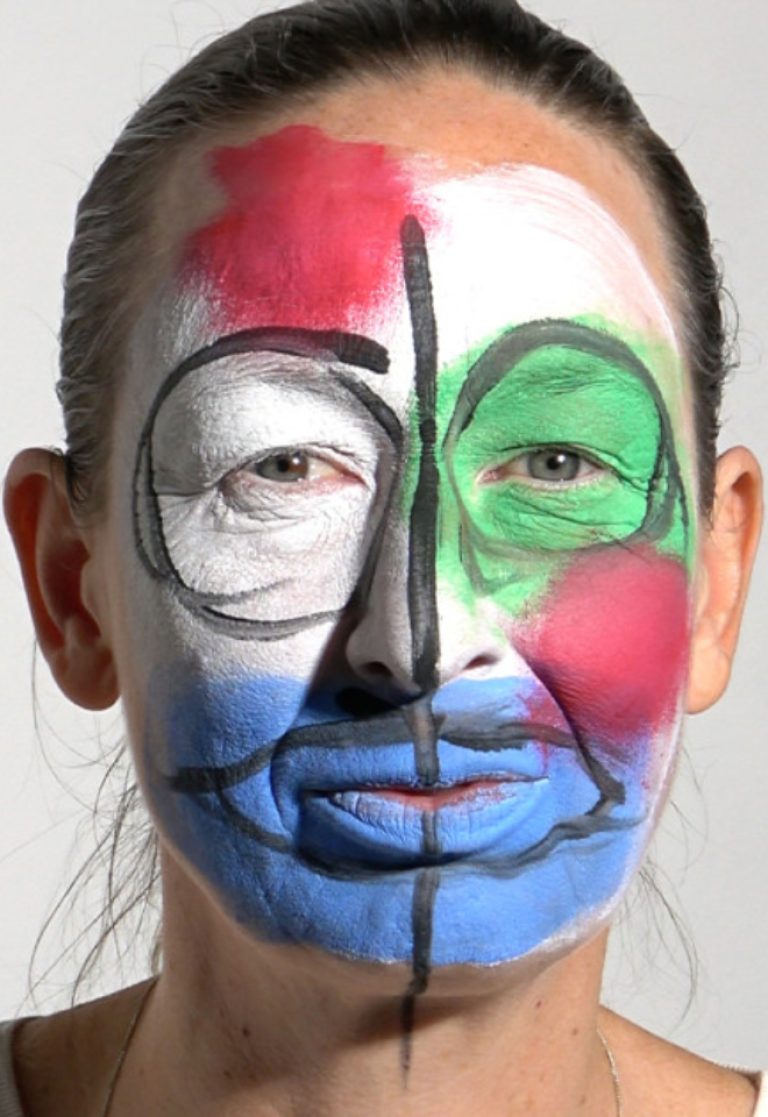
Luna Maurer is a mixed media designer, artist, lecturer and author with a focus on digital technologies’ impact on daily life. She explores human characteristics through installations, performances, web experiences, and films. She co-founded studio Moniker, known for participatory and web-based projects, and co-authored the influential manifesto Conditional Design. Currently, she’s redefining perspectives on digital technology and co-authored the Designing Friction manifesto, advocating friction in digital culture.


Feb 17 — 21, 2025
interdisciplinary workshops

Tereza Ruller, The Rodina
The Hazard Spaces
Only for master students
Designing a playful experience with critical board games
Games are a reflection of societal values, aspirations, and struggles—making them powerful tools for critical engagement. This workshop provides an opportunity to develop design skills while tackling contemporary issues through playfulness, storytelling, and interaction. Participants will gain hands-on experience in integrating game mechanics, visual communication, and narrativity into an engaging design project in the form of a board game.
By the end of the workshop, we aim to inspire participants to recognize the potential of game design as an apparatus for activism. We want them to see games not only as entertainment but as powerful tools for discussion, proposing alternatives, and encouraging collective reimagination of the world we live in.
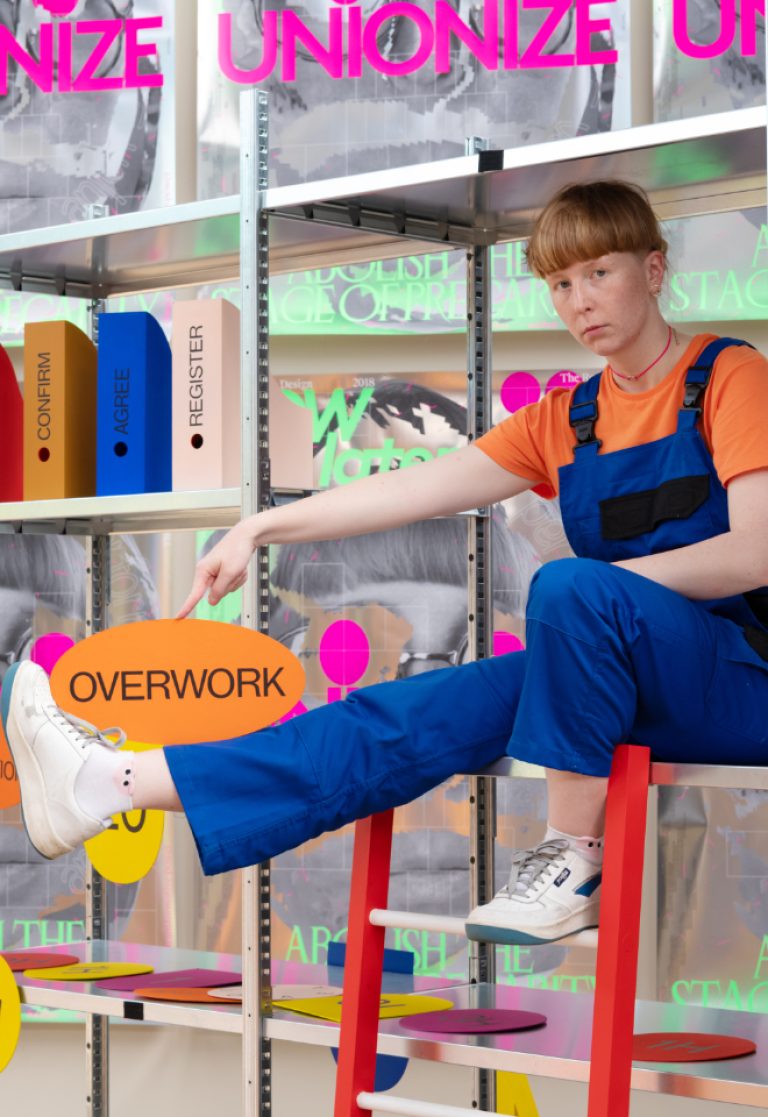
Tereza Ruller (she/her) identifies as a mother, a communication designer, and an educator. In her practice
—The Rodina— she investigates the performative and critical approach toward communication design. Her transdisciplinary approach emphasizes the power of playfulness, active spectatorship, and relations between human and nonhuman actors. Ruller’s work thrives in the cultural context, weaving together participatory events, spatial installations, virtual environments, and visual identities.
Engaging with the ecological and social issues of our time, she seeks to foster collective reimagination and to embrace the interdependence that defines our shared world. Tereza Ruller is a professor of Communication Design and Digital Practices at HfG Karlsruhe and Critical Narratives tutor at Design Academy Eindhoven.


Feb 17 — 21, 2025
interdisciplinary workshops

Kaave Pour, 21st Europe
Shaping Societies Through Design
Only for master students
Explore how to better apply design and storytelling to shape strategy, systems, and public conversations.
The way we imagine the future shapes how it unfolds. From the worlds of film, media, and entertainment, we’ve seen how visions of the future can shift expectations and inspire action. Design plays a similar role today — not just creating functional solutions, but visualizing paths forward that feel real, relatable, and within reach.
This workshop gives students the opportunity to contribute to this process. By working within the context of a high-speed train, students will create visual narratives that transform broad societal ambitions — like connected infrastructure, collective well-being, and sustainable growth — into clear, actionable ideas. By providing clear parameters for creative exploration, the course encourages deeper thinking, sharper design concepts, and more refined outcomes.
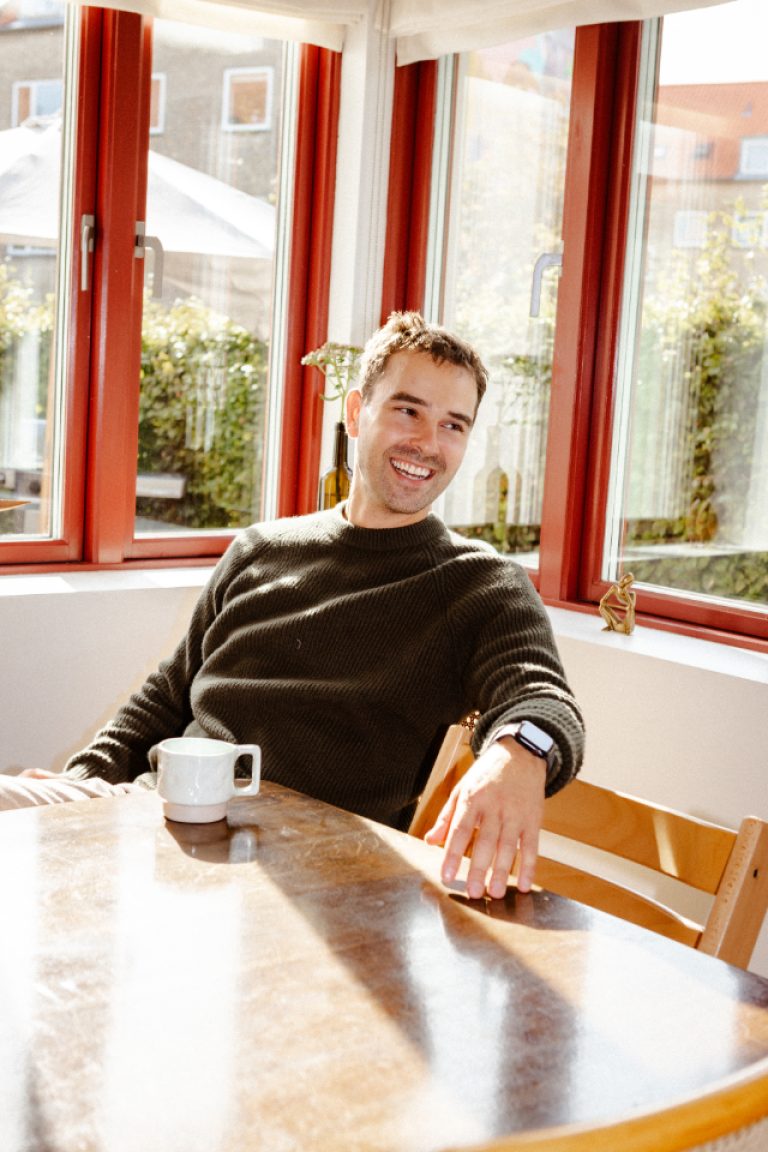
Kaave Pour is a creative entrepreneur and the founder of several ventures focused on reimagining the future through design, policy, and collaboration. Previously, he was the co-founder, CEO, and Creative Director of SPACE10, the acclaimed R&D lab known for its pioneering design explorations in partnership with IKEA, Apple, and MIT.
Kaave also leads Sun-Sun, a venture focused on rethinking the home through thoughtful design and technology. His work spans design, culture, and innovation, with a focus on ideas that create new possibilities for how we live, work, and connect. As Chair of the Danish Design Awards, he advocates for design as a way to create thoughtful, tangible impact on how we live and interact with the world.


