Events are an integral part of the master programs: from workshops with guests professors to lectures series with relevant practitioners.
Wed, Nov 4, 2026
Masters’ Talks
7.30 pm — Event at DHub
Open to the public

Izaskun Chinchilla
Los barrios del buen vivir: A Perspective from Tentative Design
Los barrios del buen vivir: A Perspective from Tentative Design
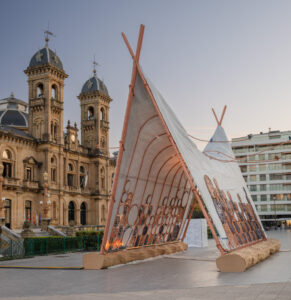
What if designers made fewer mistakes if they stopped trying to get it right the first time? Neighborhoods of Good Living explore a city understood not as a finished object, but as a living laboratory: spaces that are tested, inhabited, evaluated, and transformed. The lecture will explore the work of Izaskun Chinchilla Architects and the book Neighborhoods of Good Living to ask what happens when design abandons certainty and embraces hypothesis, experimentation, and adaptation. A perspective from tentative design to conceive of well-being as something experienced collectively.
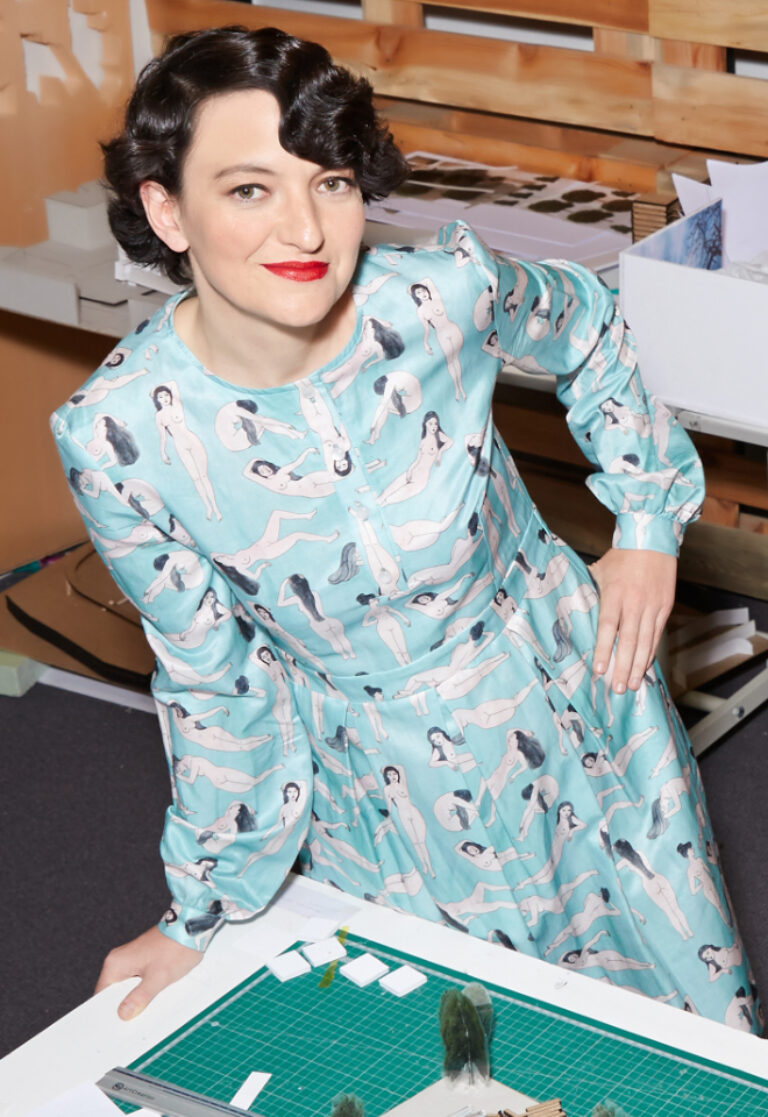
Izaskun Chinchilla, a professor at the Bartlett School of Architecture, University College London (UCL), and an honorary fellow of the Royal Institute of British Architects (RIBA), integrates ecology, care, and participation into her practice, research, and teaching. Her work promotes more equitable and sustainable cities. She combines design, critical thinking, and cultural knowledge to promote an architecture that is educational, cooperative, and oriented toward the common good. She is the author of La ciudad de los cuidados (Catarata, 2021) and Los barrios del buen vivir (Catarata, 2026).
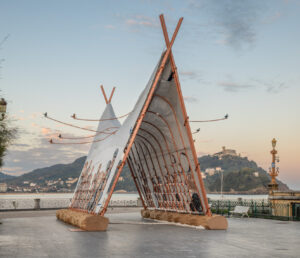
Izaskun Chinchilla Architects is a group of architects led by Izaskun Chinchilla that brings together interdisciplinary teams for each project. Their work focuses on optimizing the environmental performance of architecture, public space, facilities, art, and cultural products through innovation. Public engagement and social participation are pillars of their practice, which promotes collaboration in the construction of shared spaces and community-based decision-making regarding the use, location, and characteristics of the facilities they design.


past events
Feb 16 — 20, 2026
MIWW workshop
Masters’ Interdisciplinary Workshops Week

Germán León & Regina Dos Santos
AI Entrepreneurship & Vibe Coding
Open to all Master’s students
Building Human-Centered AI Products
This intensive four-day workshop introduces participants to the ASPIC Framework, a practical, human-centered methodology for building AI products that truly matter. Rather than starting with technology, this workshop teaches participants to begin with empathy: identifying real user pain, designing trustworthy AI interactions, and building sustainable AI businesses. The framework stands for: Attract, Segment, Personalize, Interact, and Convert. Participants will walk away with a working prototype of an AI product, validated by real users, and a clear go-to-market strategy.
By the end of this workshop, participants will be able to: Discover real user pain through structured interviews, Define AI value aligned with measurable business outcomes, Design trustworthy AI interfaces using the Five Moments of AI, Develop working AI MVP using no-code/low-code tools, Test through feedback loops and user validation, Grow using the Bullseye Framework for focused strategy, Monetize with pricing models designed for AI products, Build Responsibly with ethics, privacy, and trust as foundations.
Vibe coding is the art of building AI products with personality and intention. It moves beyond mechanical automation to create AI systems that feel intelligent, responsive, and genuinely helpful. Through careful design of prompts, interfaces, and feedback loops, participants learn to craft AI products that don’t just function,they resonate. Key vibe coding techniques include: Prompt craftsmanship, Personality design, Micro-interactions, Trust signals, and Feedback systems.
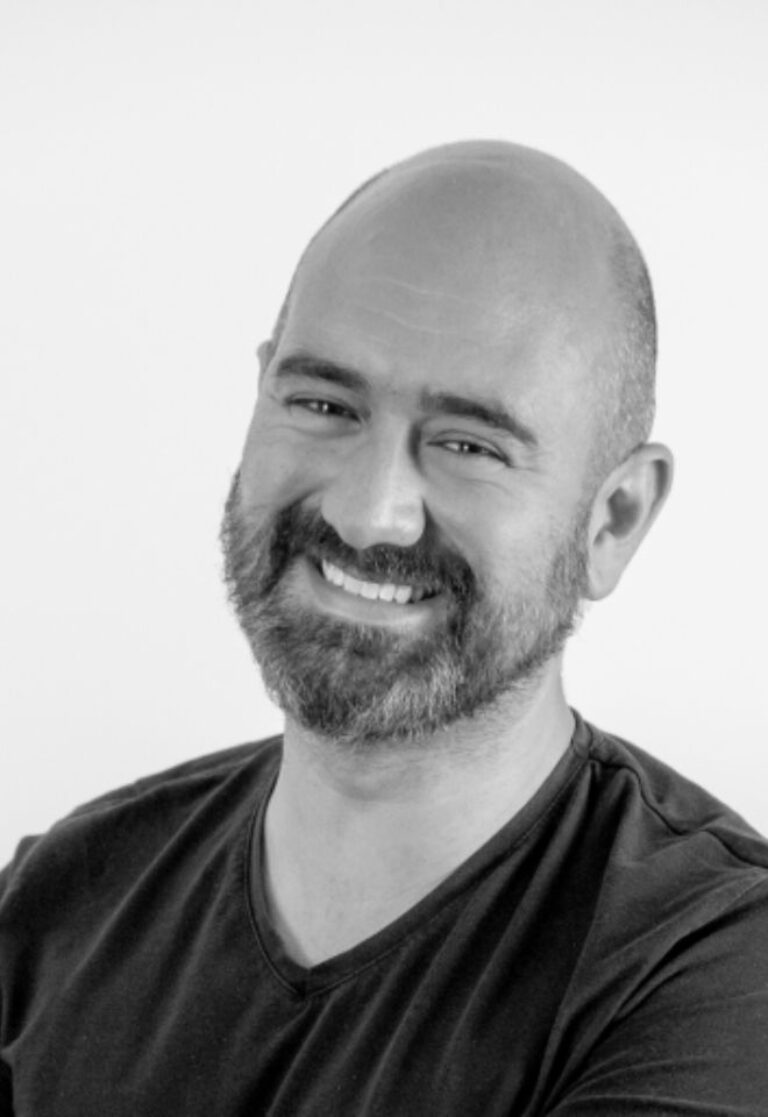
Germán León is a futurist, AI and UX expert, entrepreneur, and advisor. He is the founder and CEO of Helvetica Digital and founder of Gestoos, a computer vision startup acquired by Preact. With a master’s degree in Interaction Design from Umeå University and training in AI Design at MIT, he has led innovation at Oblong Europe and Vodafone Group. He currently directs master’s programs in AI and UX at Elisava. In this practical workshop, his goal is to provide students with clear and applicable tools to develop and bring their own projects to fruition.
Regina Dos Santos is a UX/UI designer and front-end developer focused on user-centered digital products. Her hybrid profile blends design, technology, and strategy, linking concept to execution. She covers full UX/UI processes—research, flows, IA, prototyping, interface design, and testing—guided by clarity, usability, and visual consistency. As a front-end developer, she works in the Google Cloud ecosystem, using Firebase, cloud services, and APIs to build scalable, production-ready apps. She collaborates with multidisciplinary teams, bridging design and technology with a product-driven, experimental mindset. In the workshop, Regina presents a practical approach combining UX, UI, code, and AI.



Wed, Feb 11, 2026
Masters’ Talks
7.30 pm — Event at DHub
Open to the public

Karel Martens & Thomas Castro
Unbound
Unbound
From July to October 2025, the Stedelijk Museum honored Dutch design icon Karel Martens with a comprehensive retrospective curated by Thomas Castro. Karel and Thomas will “flip-through” 200 pages of Martens’ works and invite the audience to participate in a lively conversation of anecdotes, insights, and unique examples of works, systems and sketches from his personal archive. From stamps and books to monoprints, architectural signage, and digital experiments, this is a unique opportunity to dive deep into the work of one of the most influential voices in graphic design.
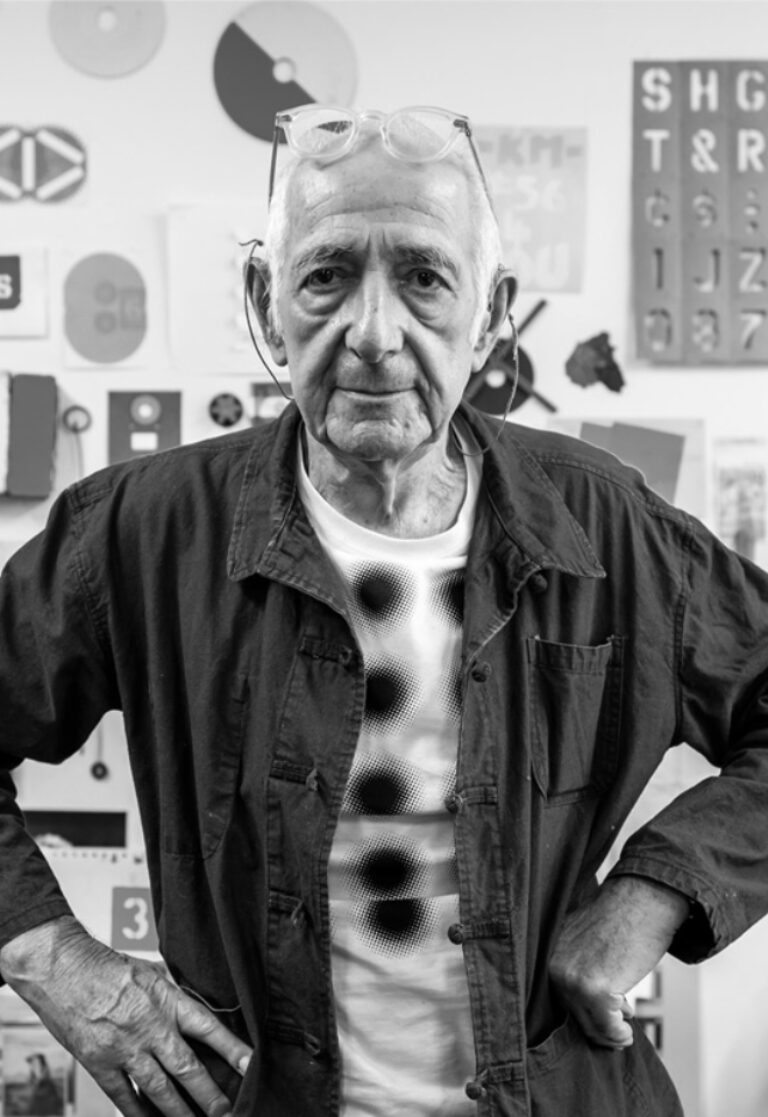
Karel Martens (1939) is a Dutch graphic designer and educator. He studied at the Arnhem Academy of Art and Design, graduating in 1961. From 1977 to 2020, he taught internationally at ArtEZ, the Jan van Eyck Academie, and Yale University, and co-founded the Werkplaats Typografie in 1998. Martens designed the award-winning OASE magazine from 1990 to 2021. His work is held in collections including SFMOMA and The Art Institute of Chicago, and has been shown in solo exhibitions at P! (New York), Kunstverein München, 019 (Ghent), and Platform-L (Seoul). He received the BNO Piet Zwart Prize in 2023.
Alongside commissioned work, Martens has consistently developed an autonomous practice, most notably through his monoprints, begun in the 1960s. Since the 1990s he has used archival cards from the Stedelijk Museum Amsterdam, printing found objects onto them to create compositions that integrate printed imagery with existing archival text. Known for an experimental approach to typography, grids, color, and printing, his work moves fluidly between books, stamps, monoprints, signage, and digital systems.

Thomas Castro (1967) is a graphic designer, educator, and curator, and since 2019 Curator of Graphic Design at the Stedelijk Museum Amsterdam. There he initiated the Post/No/Bills public poster circuit, curated the exhibition Karel Martens: Unbound, and edited the collection book Stedelijk Museum Posters by Color. Previously, he co-founded the multidisciplinary studio LUST and LUSTlab in 1996, which was awarded the BNO Piet Zwart Award in 2017 for their two-decade oeuvre. His practice connects making, education, and curating, with a focus on expanding the graphic design canon.


Jan 21 & 22, 2026
Conference & workshops
Berlin, Germany

propmt:UX 2026
Recommended external event for MHUAI students
prompt:UX 2026 is an international conference focused on the intersection of artificial intelligence and user experience design. Over two days, professionals from design, product and technology come together to explore how AI is transforming the way we design, research and build digital products. The event combines talks, hands-on workshops and discussion spaces oriented towards real-world application in professional projects.
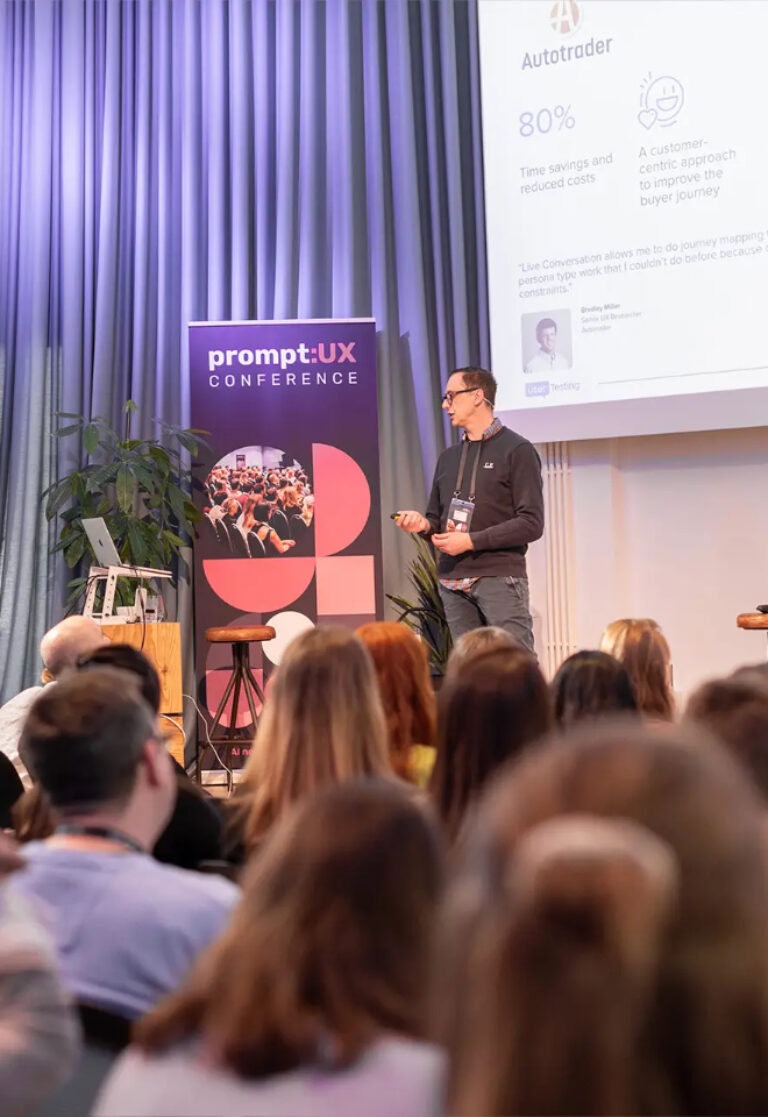
Luciano Lykkebo is a designer and event organiser specialising in user experience and digital innovation. He is the founder and host of prompt:UX, an international conference that brings together leading voices in design, research and technology to explore the impact of artificial intelligence on digital product design.
prompt:UX is a platform dedicated to fostering conversation and knowledge around designing experiences with artificial intelligence. Through conferences and workshops, it connects professionals working in UX, product and technology, encouraging the exchange of perspectives, hands-on experimentation and a critical understanding of how AI influences human experience.


Wed, Dec 10, 2025
masters’ talks
19:30 h — Event at DHub
Open to the public

Ronan Bouroullec
Day After Day: Rencontre with Ronan Bouroullec
Day After Day
Despite not always being entirely comfortable with the label “designer,” Ronan Bouroullec is undeniably among the most prolific and admired practitioners working today. For more than three decades, his Paris atelier—led with his brother Erwan until 2023—has produced a remarkable series of “singular objects,” often in collaboration with leading design manufacturers such as Alessi, Artek, and Vitra. In a special conversation with journalist Anne Quito, Bouroullec reflects on the arc of his career and explains how his drawing practice has remained a central pillar of his life and work. Vignettes from his latest monograph, Ronan Bouroullec: Day After Day (Phaidon, 2023) will be a highlight of the evening.
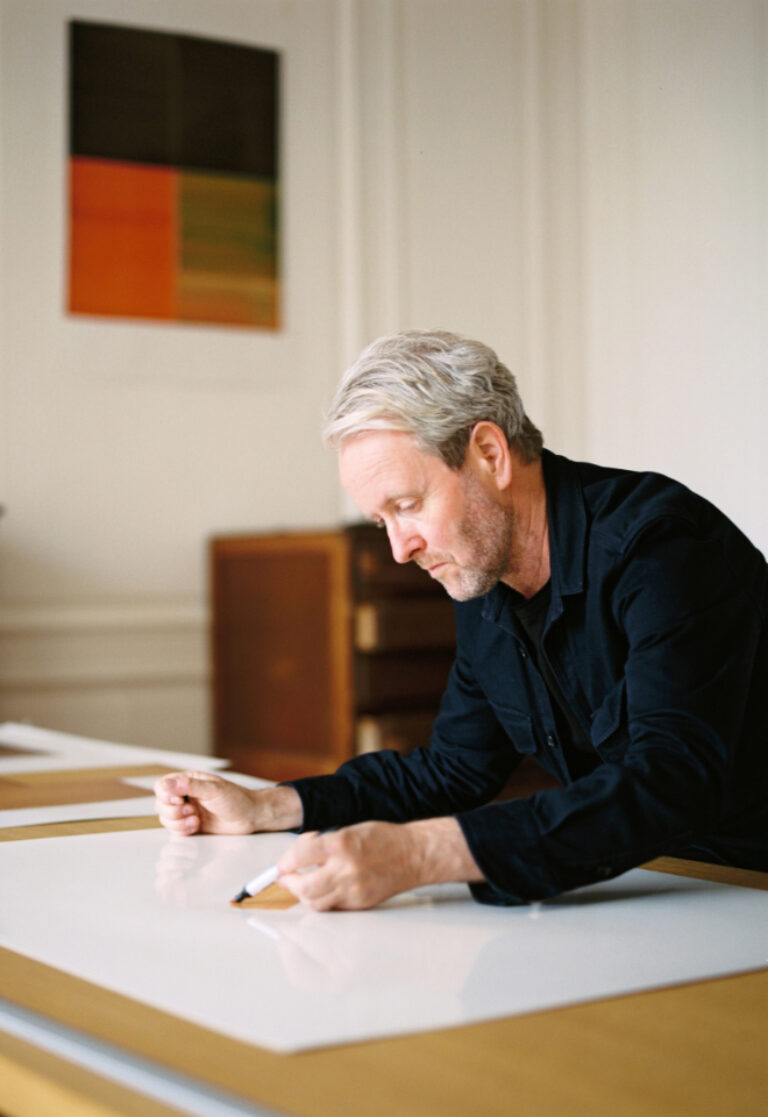
© Marion Berrin
Born in Quimper, Brittany, Ronan Bouroullec is a celebrated artist and designer based in Paris. His studio, formerly led with his younger brother Erwan, has collaborated with some of the world’s most prestigious design companies, including Artek, Alessi, Cappellini, Galerie Kreo, Hay, Kartell, Kvadrat, Magis, Mattiazzi, Mutina, and Vitra. Also a prolific artist, his drawings have been exhibited in museums and galleries worldwide, including the Centre Pompidou in Paris, the Museum of Modern Art in New York, and the Victoria and Albert Museum in London.
Ronan Bouroullec’s studio, founded 30 years ago, is based in Paris and comprises a team of six assistants.


Wed, Nov 12, 2025
masters’ talks
7.30 pm — Event at DHub
Open to the public

Dries Depoorter
Surveillance art, dying phones, and fake likes
Surveillance art, dying phones, and fake likes
In this engaging talk, Dries Depoorter delves into his world of his art, blending the boundaries between technology and creativity. Attendees will be taken on a journey through Depoorter’s recent and upcoming projects, offering insights into the conceptual and technical processes behind his works. Dries will showcase live demonstrations of his art in the form of giving away likes or followers. This lecture offers a unique opportunity to learn more about the projects that have brought him worldwide recognition.
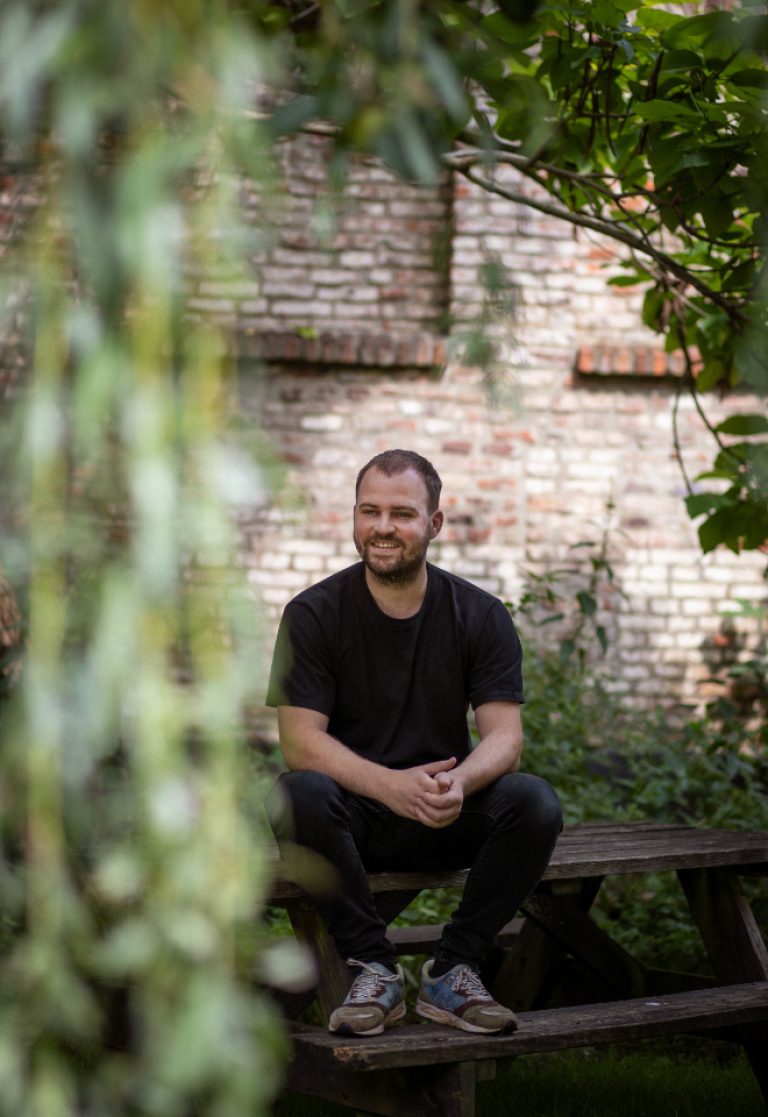
Belgian creative technologist and artist Dries Depoorter, based in Ghent, creates thought-provoking work about technology, surveillance, AI and social media in a playful way that makes people laugh while delivering serious messages in an accessible way. His projects explore digital culture that can inspire marketers: privacy challenges, artificial intelligence applications, surveillance and authentic social media projects.
With his unique background in electronics and digital innovation, Dries has become a voice for forward-thinking brands and marketing professionals looking to navigate today’s complex digital landscape. His artistic approach can directly inspire brands to think differently and develop original marketing concepts that stand out. Through his work, Dries demonstrates how combining creativity with technological insight creates viral moments.
His award-winning “Die With Me” app, accessible only when a user’s phone battery drops below 5%, demonstrates how scarcity and unique user experiences can create powerful engagement. On Black Friday, he doubles the price of his app instead of offering discounts, showing brands how breaking marketing rules can create attention.
In his viral project “The Follower” Dries leverages open cameras and AI to reveal the reality behind curated Instagram moments—offering marketers an unfiltered look at consumer behavior and content creation.
Meanwhile, ”The Flemish Scrollers” uses AI to automatically identify politicians using smartphones during parliamentary sessions, highlighting how technology can create accountability and transparency in public spaces.
Dries has exhibited at prestigious venues including the Barbican in London, Art Basel, Mutek Festival in Montreal,ZKM, Bozar, WIRED and Ars Electronica.


Nov 5 — 6, 2025
Workshop

Ricard García, Statement Typefaces
Cryptic Type Systems
Only for MAIAD students
Cryptic Type Systems
A workshop to hack writing systems for dissident ideologies. In a world where freedom of expression is increasingly at risk, spreading subversive or system-critical ideas is becoming ever more difficult. Throughout history, writing has been one of the most powerful tools for sharing dissident thought — and at its core lies something as fundamental as the alphabet itself.
This workshop invites participants to explore how we might reformulate alphabetic systems into cryptic or coded forms that, beneath a seemingly random or pseudo-chaotic appearance, can still convey messages and meaning.
Participants will experiment with ways of encoding communication — creating new visual, symbolic, or structural systems that disguise yet preserve language, challenging the boundaries between legibility, secrecy, and artistic expression.
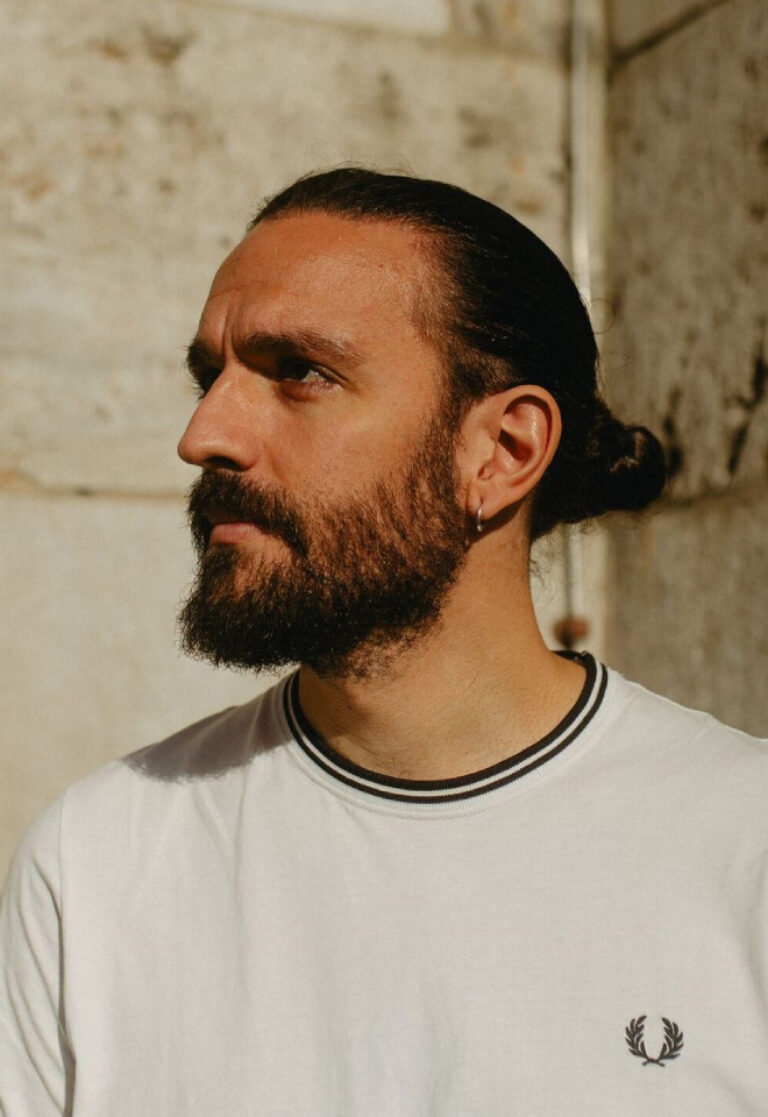
Ricard Garcia is a type designer based in Barcelona. In 2015 he received his BA in Graphic Design from the University of Barcelona. Before moving to The Hague to study at Type and Media, he worked at Typerepublic as a type designer. His work is now a balance of type design, lettering & code.