Events are an integral part of the master programs: from workshops with guests professors to lectures series with relevant practitioners.
Wed, Mar 18, 2026
Masters’ Talks
7.30 pm — Event at DHub
Open to the public

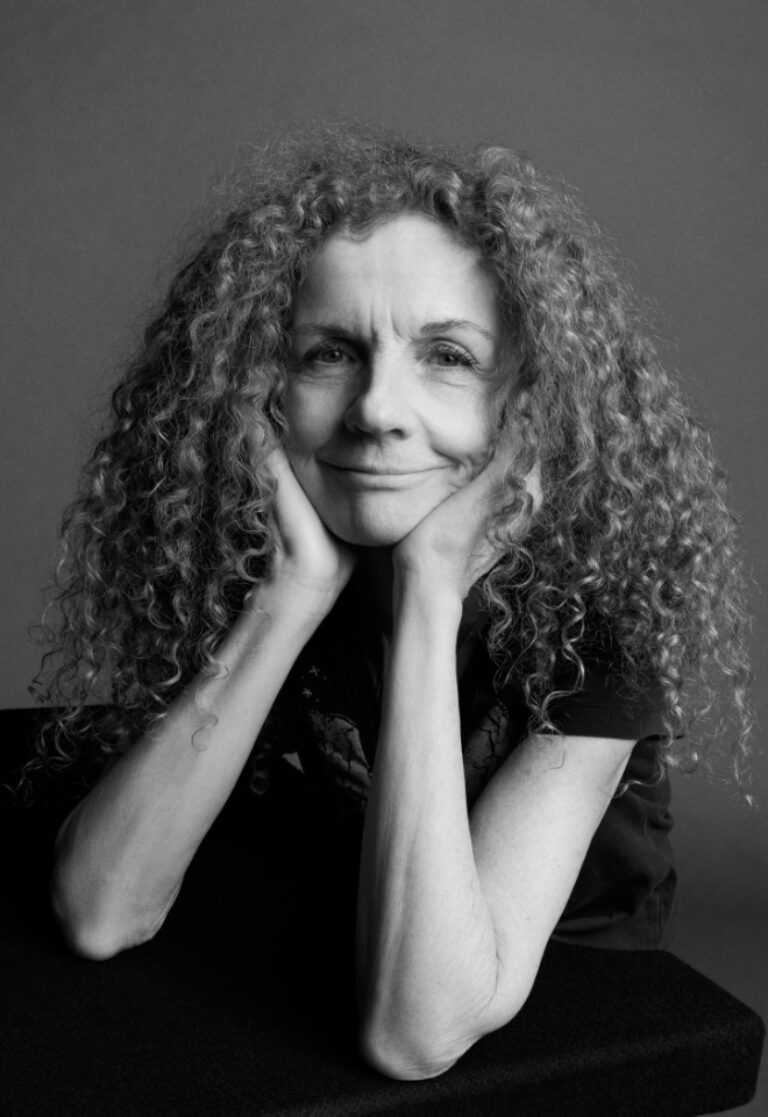
Kathy Ryan
Backstories
Backstories
Kathy Ryan will choose a handful of photographs that stand out in her mind from the pages of The New York Times Magazine during the 39 years she worked there. She will share the backstory for each picture to give insight into how that image came into being. The photographs will cover a wide range of subject matter including international news, lifestyle stories, and culture coverage.
© Inez and Vinoodh
Ryan will also show and talk about some of the photographs from her Office Romance series that she made during the last decade she worked at The NYTMAG. They are a love poem to her colleagues and a celebration of the radiant light in the Renzo Piano-designed New York Times building.
The longtime director of photography at The New York Times Magazine, Kathy Ryan has been a pioneer of combining fine art photography with photojournalism. She has worked with the world’s best photographers across all genres of photography. She regularly brought new talent into The Magazine’s pages. She left The Times after 39 years to focus on her own artwork, curating exhibitions, teaching a course at Yale, and speaking engagements.
In 2011, Ryan edited The New York Times Magazine Photographs, a landmark book published by Aperture. An accompanying exhibition, curated by Ryan and Lesley Martin opened at the Rencontres d’Arles in 2012, traveled to FOAM Museum in Amsterdam, Palau Robert in Barcelona, Universidad Católica in Santiago and ended its run at the Aperture Gallery in New York City.
Ryan has contributed essays and Q&A’s to books by photographers Lee Friedlander, Christopher Payne, Seydou Keïta, Paolo Pellegrin, Lynsey Addario, Jack Davison and Brian Finke. She was the picture editor of Feeling the Spirit by Chester Higgins.
The Magazine‘s photography and videos have been recognized with numerous awards. Ryan was awarded the Dr. Erich Salomon Prize from the German Photographic Society in September 2025. Ryan was a recipient of a lifetime achievement award from the Griffin Museum of Photography in 2007; the Royal Photographic Society’s annual award for Outstanding Service to Photography in 2012; the Vision Award at the Center for Photography at Woodstock in 2014; and the Outstanding Contribution to Photography recognition from Creative Review in 2016. Ryan has been recognized as Photo Editor of the Year by the Lucie Awards and Visa Pour l’Image. Ryan won two Emmy’s for videos she produced for The New York Times Magazine’s Great Performers series. Kathy was the International Center of Photography’s Spotlight honoree in 2024.
Office Romance, a book of Ryan’s photographs featuring her colleagues and the beauty and poetry to be found in the radiant light in the New York Times building was published by Aperture in 2014. This work has been exhibited in Europe and the U.S. All of Ryan’s photography is done with the iPhone.


April 9 — 11, 2026
Workshop

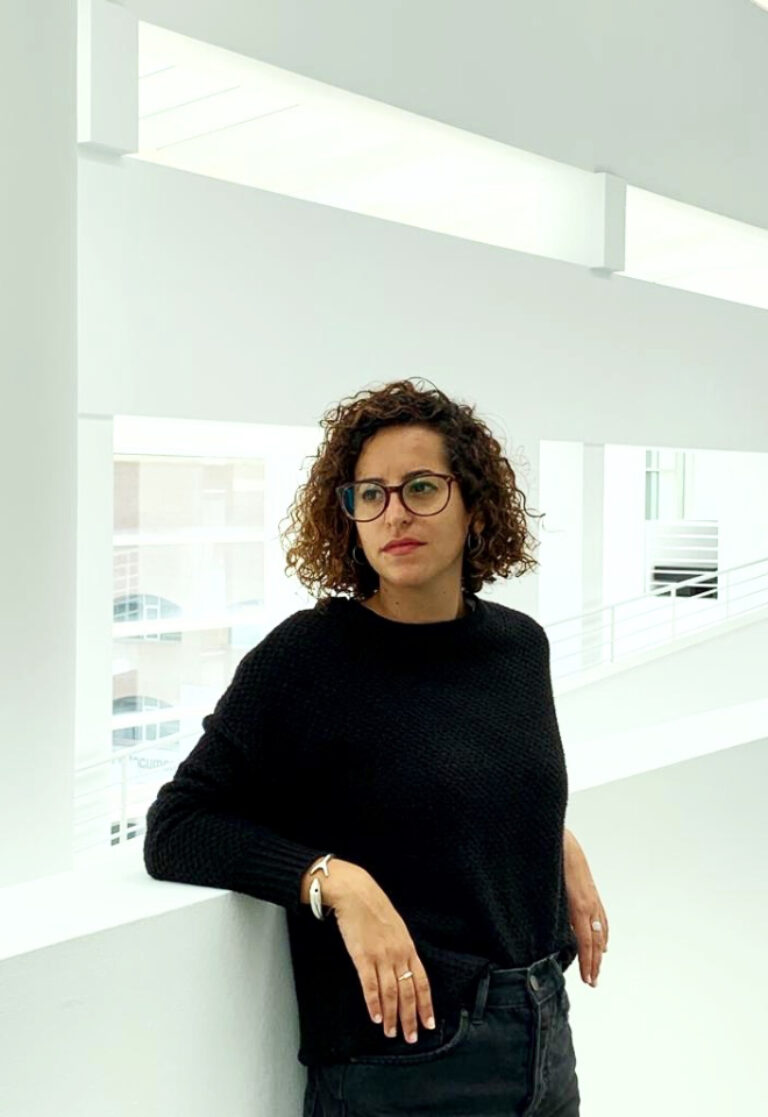
Núria Nia
IA & Performance
Only for MAIAD students
AI & Performance
The workshop will give the main keys of Performance Art and its intersections with disciplines, technologies and concepts to propose the exploration of a creative investigative process based on IA and performance. We will explore the history, theories, and practices of Performance Art while learning about the interactions between Performance Art and other disciplines, to be able to incorporate technology and IA into a transdisciplinary creative process.
Núria Nia
Trained in cinema, digital art and communication, doctoral student in Fine Arts at the University of Barcelona, her artistic practice starts from the audiovisual medium to combine with other forms such as performance or installation, activating mixtures of contexts and practices several that nurture theoretical and artistic research on topics such as digital bodies, digital work, the image-screen, the performed archive and collective thought.

Wed, May 27, 2026
Masters’ Talks
7.30 pm — Event at DHub
Open to the public

Jonas Janke, b+
Love me one time, two times … x times !
Love me one time, two times … x times !
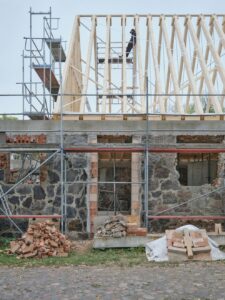
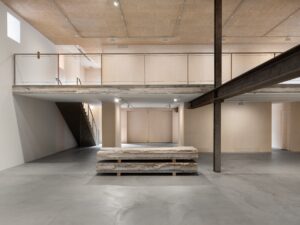
The lecture is not a conventional showcase of selected projects from our daily practice, but rather aims to provide a broader insight into the network of actors in which b+ (bplus.xyz) operates, how we understand the contemporary way of an architectural practice and scope of work of an architect, and how we approach our projects—in short: who b+ is and how we work, what our values are, and what our understanding of our duties and responsibilities as architects is.
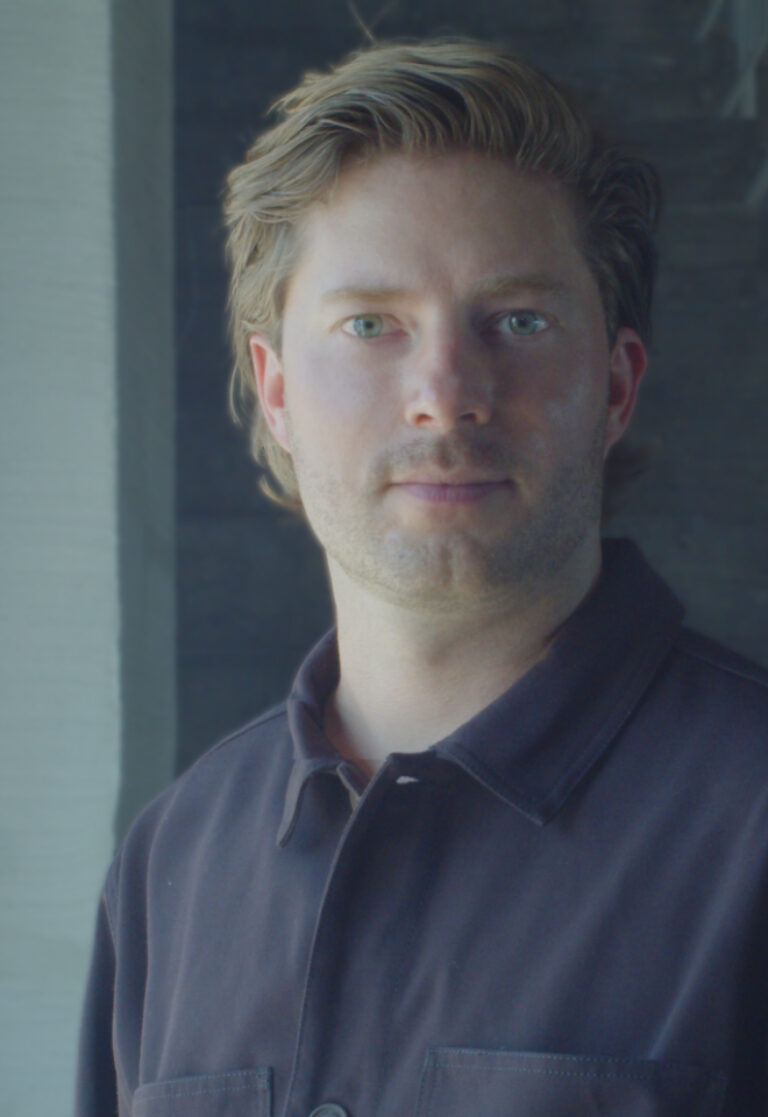
Jonas Janke (DE, 1991) is an architect and partner at bplus.xyz (Berlin). He has a diverse background in architecture, was trained as an architectural draughtsman before pursuing his studies in Hamburg, Stockholm, and Berlin. He gained valuable experience as a tutor and assistant in various departments including design & typologies, building construction, and structural design. He was part of the team 2038, the German Pavilion at 17th Venice Architecture Biennale 2021.
His early teaching experiences include guest studios at the University of Innsbruck (Austria) and Politecnico di Milano (Italy). He is regularly invited to give lectures and guest critiques at universities, cultural institutions, and public institutions. His focus is on new ecological construction materials and methods for adaptive reuse and renovation projects, seeking pragmatic and efficient technical and mechanical solutions that use material and construction thoughtfully.
bplus.xyz (b+) is a collaborative architecture practice (led by Arno Brandlhuber, Olaf Grawert, Jonas Janke and Roberta Jurčić) that operates at the intersection of theory and practice, using different media and formats. The practice seeks to engage with the contemporary challenges of our time, particularly those related to the social-ecological transformation of existing buildings, offering economically viable solutions.
b+ understands architecture as an open process, and views buildings as part of larger systems that require a systemic approach. The practice sees the given framework of existing buildings and legislation as an active design tool with the potential for transformation. Thus, b+ celebrates the potential of the existing built environment and aims to reveal and activate the latent potentials within.
b+ emphasizes working with different actors and stakeholders in project development. The practice values their knowledge and expertise and aims to create spaces for exchange and collaboration. b+ seeks to advance a new value system in architecture, one that places greater emphasis on collective responsibility, systemic thinking, and ecologically and economically viable solutions.
The current project in the field of political activism is the European citizens’ initiative HouseEurope! – HouseEurope! wants to create incentives that make renovation the new norm. This will boost the renovation market and give new value to what is already there. The goal is to preserve homes and communities, ensure a fairer and more local building industry, save energy and resources, and preserve our memories and stories.



May 25 — 29, 2026
Conference
Geneva, Switzerland

AI for Good
Global Summit 2026
Recommended external event for MHUAI students
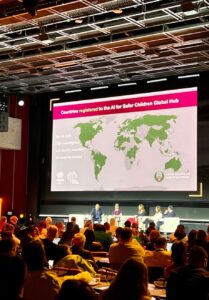
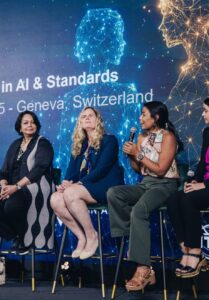
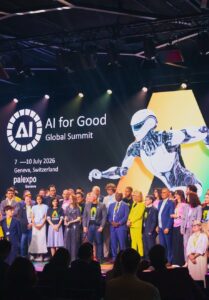
AI for Good Global Summit 2026 is the leading United Nations global event focused on using artificial intelligence to address major global challenges. Over five days, experts from technology, design, science, public policy and international organisations come together to explore how AI can contribute to the Sustainable Development Goals. The event combines conferences, technology showcases, workshops and multidisciplinary collaboration spaces.
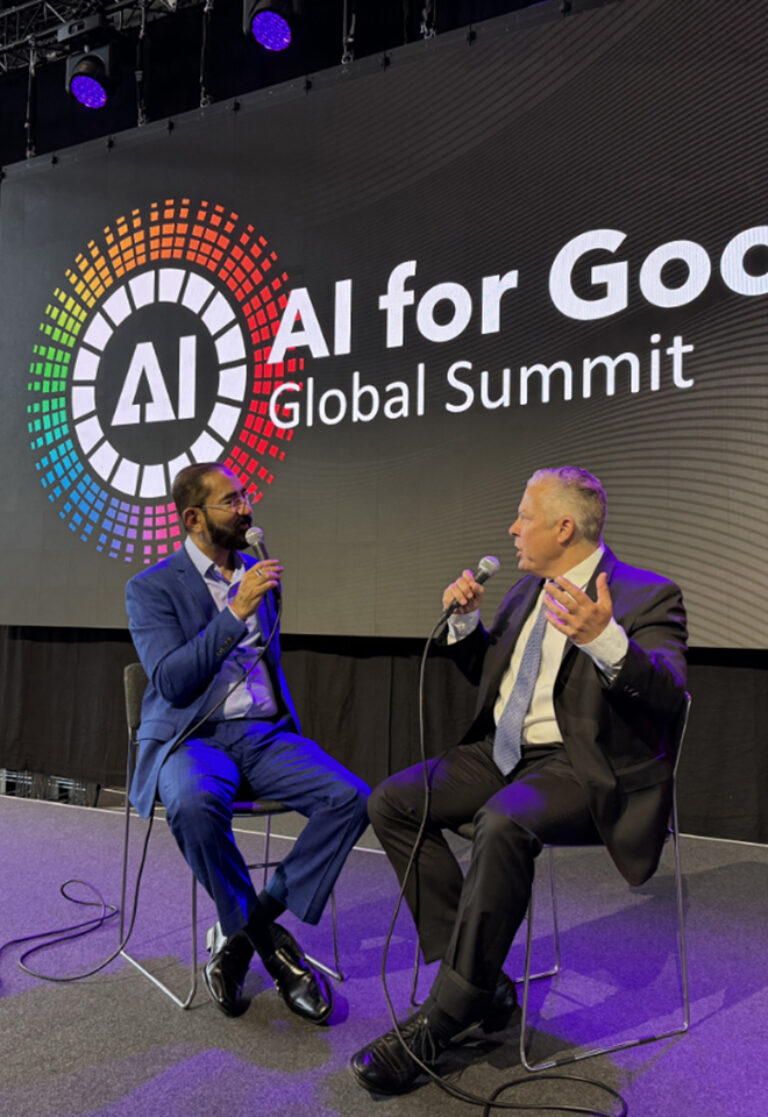
AI for Good is a United Nations initiative led by ITU that promotes the responsible use of artificial intelligence to generate positive social impact. Through summits, projects and collaborative platforms, it connects governments, companies, researchers and designers to develop technological solutions aligned with current and future social, environmental and humanitarian challenges.


May 2026
Workshop

Garden of Light, Movement & Sound, Stephanie Rodriguez
Only for MHUAI students
Garden of Light, Movement & Sound is an intensive workshop where students explore collaboration between humans, artificial intelligence and physical systems. Over four days, participants design and build reactive plants that respond to human presence through light, sound and movement. The workshop combines creativity, technology and hands-on experimentation, culminating in a collective installation that embodies the idea of human machine co creation.
The workshop offers a collaborative learning environment focused on creative experimentation with artificial intelligence and basic electronics. Participants work in small groups to design an interactive object using Arduino, sensors and AI tools as creative support. The process prioritises exploration, hands-on learning and the collective construction of a shared interactive installation.
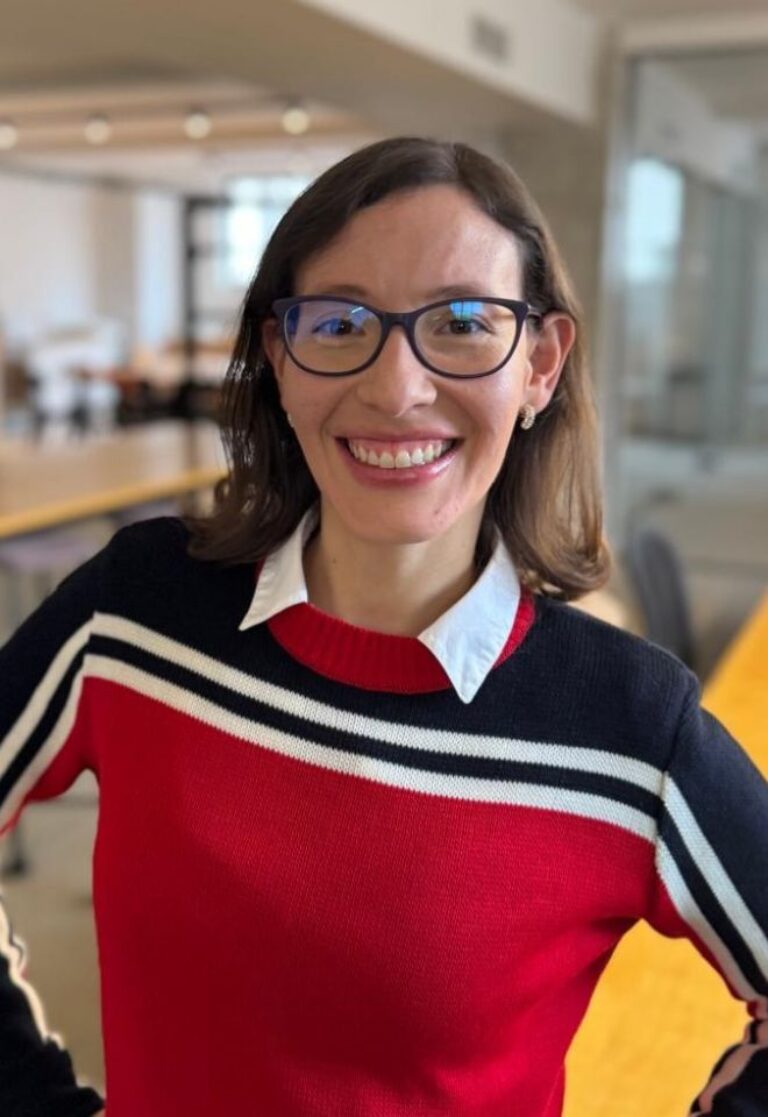
Stephanie Rodriguez is a professional working at the intersection of technology and human experience. With a background in mechatronics engineering and intelligent interactive systems, she specialises in artificial intelligence, programming, data science and human robot interaction. Her work focuses on the ethical and human centred use of technology in creative and educational contexts.


past events
Tue, Oct 14, 2025
Workshop

Mario Santamaría
AI Infrastructure
Only for MAIAD students
AI Infrastructure
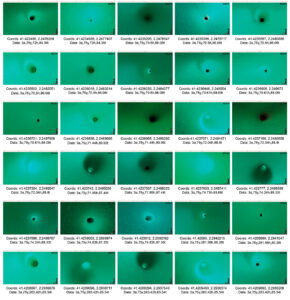
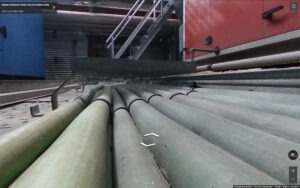
Like other digital technologies, the rise of AI is propped up by the myth that these systems are weightless and abstract. The fantasy of a spotless Cloud floating beyond the physical world conceals the reality: vast stretches of fiber-optic lines, sprawling data centers, and growing energy use. The workshop explores the fact that the Internet driving AI is a mesh of hidden materials and infrastructures, from anonymous city buildings to beaches where buried undersea cables link continents.
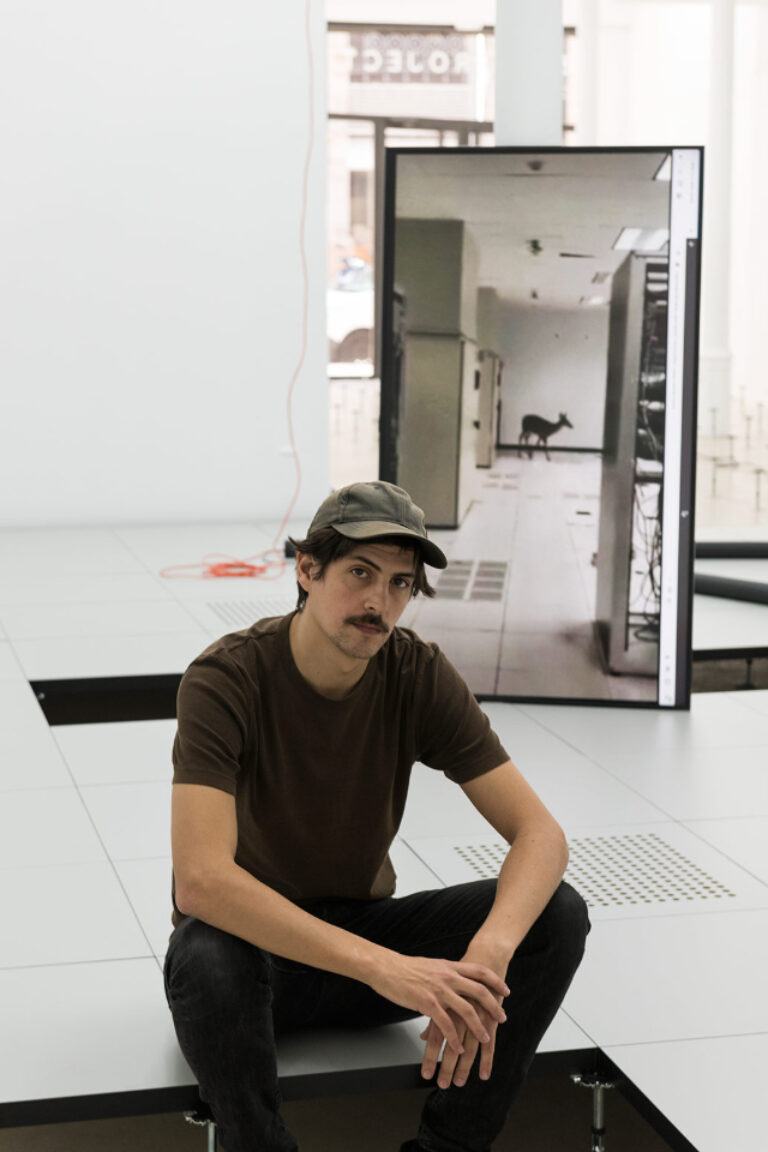
Mario Santamaría is a Barcelona-based visual artist who works with a wide range of media, frequently using photography, video, performance, websites, and online interventions.
His recent work seeks to embody protocols and processes of information distribution, performing actions such as physically travelling to his website by repeating the path of data; going for beers around the city as a Google algorithm or creating a tour operator based on the infrastructure of the Internet.

Wed, May 14, 2025
masters’ talks
7.30 pm — Event at DHub
Open to the public

Rob Giampietro, Notion
20 Years in Design
20 Years in Design
Across nonprofit and for profit, startups and scale, on boards and in residence, in print and with AI, as a writer, designer, teacher, and leader — Rob’s career has spanned a wide range of projects at the intersection of design, culture, and technology. This talk will share some recent work from Notion as well as work from Google and MoMA, connected in their uses of strategic inquiry, brand-focused storytelling, and multidisciplinary human-centered design to convey unique stories and experience to global audiences.
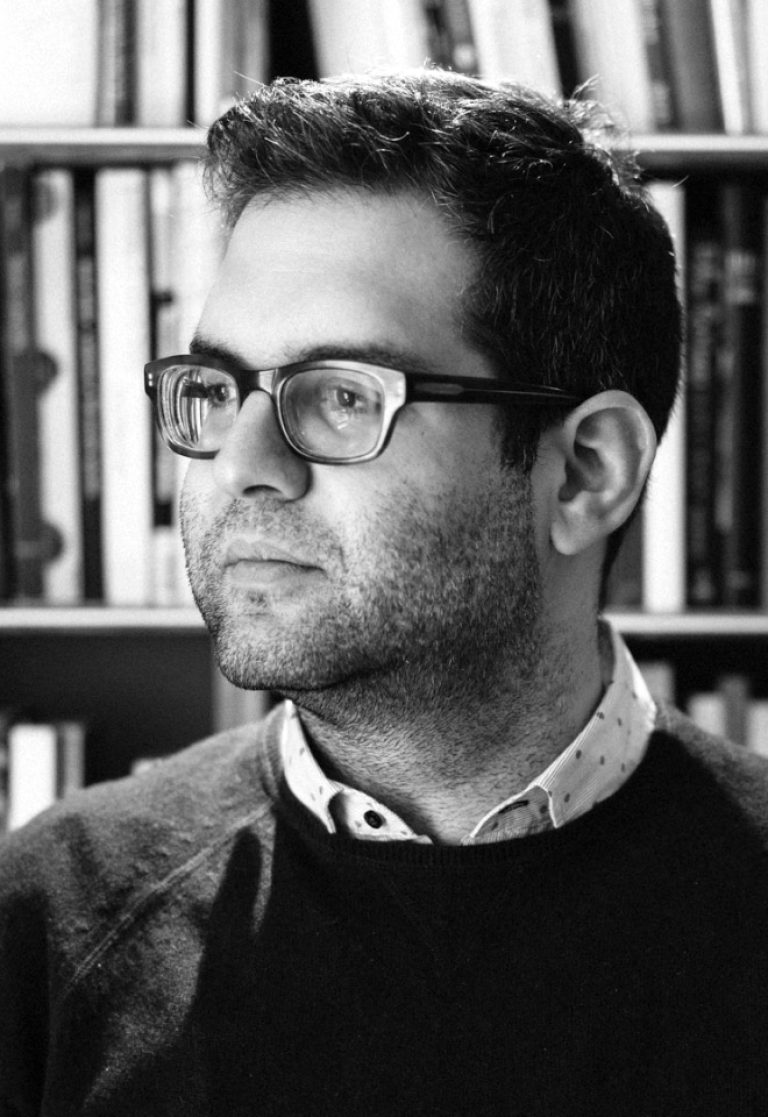
Rob Giampietro is a designer based in New York, where he is Head of Creative at Notion, a productivity tool celebrated by Forbes’ “AI 50” list in 2024. Active across worlds of design, art, and technology, Rob has held creative leadership roles at Google (Material Design, Research & Machine Intelligence, Search/Assistant) and MoMA, where he was Director of Design during the museum’s historic 2019 expansion.
Rob taught for over a decade in RISD’s MFA Graphic Design program and has served as VP of AIGA/NY. In 2024, he was a jury chair for AIGA’s 100th Annual 50 Books 50 Covers awards. A graduate of Yale, Rob has had fellowships at MacDowell and the American Academy in Rome, along with recognition from the National Design Awards for his work at Project Projects. Rob has been an Advisor to the Aspen Ideas Festival and is a trustee and board member of the Aperture Foundation.
Notion is the connected workspace that allows teams and individuals to easily share documents, take notes, manage projects, and organize knowledge—all in one place. Users can create and customize beautiful documents, roadmaps, knowledge bases, and more, helping them work smarter and faster.
es.


We, Mar 19, 2025
masters’ talks
7.30 pm — Event at DHub
Open to the public

Michael Hansmeyer
Tools of Imagination
Today, we can fabricate anything. Digital fabrication now functions at both the micro and macro scales, combining multiple materials, and using different materialization processes. Complexity and customization are no longer impediments in design.
While we can fabricate anything, design arguably appears confined by our instruments of design: we can only design what we can directly represent. If one looks at 3D-printed artifacts, there is oftentimes a discrepancy between the wonder of technology, and the conventionalism of design. We appear unable to exploit the new freedom that digital fabrication offers us. In short: we can currently fabricate more than we can design.
What is needed is a new type of design instrument. We need tools for search and exploration, rather than simply control and execution. As of yet, we have countless tools to increase our efficiency and precision. Why not also create tools that serve as our muse, that inspire us and help us to be creative? Tools to draw the undrawable, and to imagine the unimaginable.
What we stand to gain are entirely new spatial and haptic experiences. A playful design that stimulates the senses, elicits curiosity, and invites interaction. A design environment that simultaneously allows control and surprise, and that embraces and celebrates the unforeseen.
© Jacek Poremba
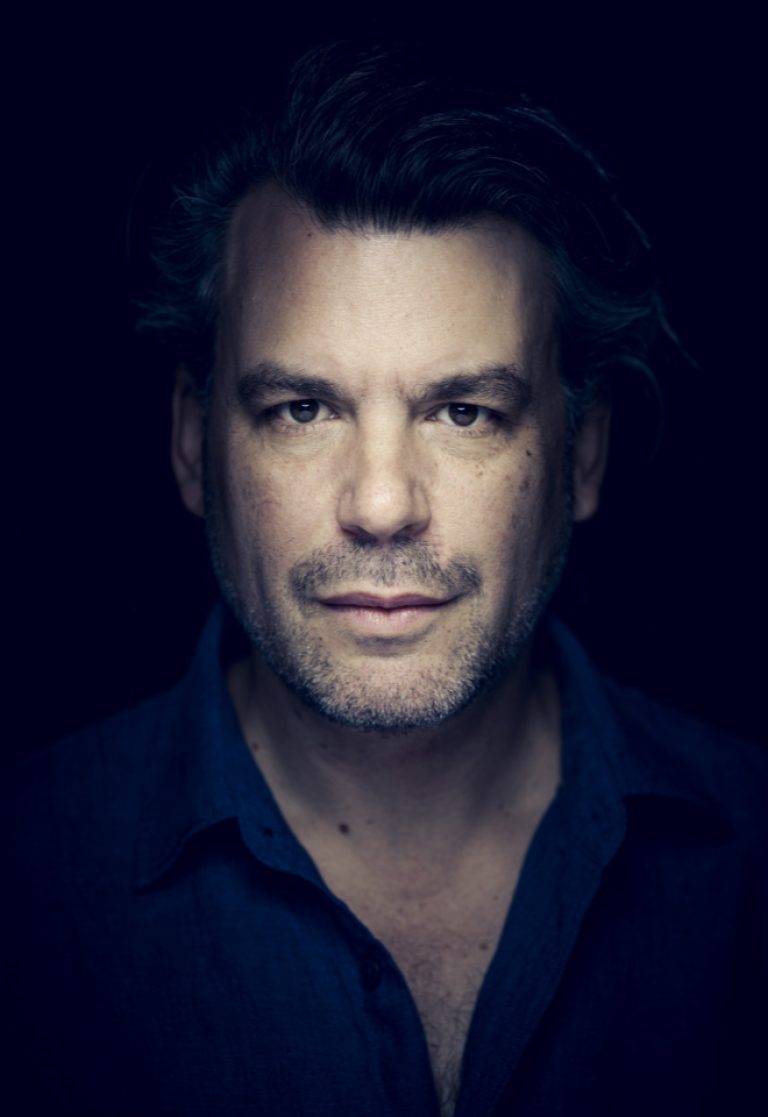
Michael Hansmeyer is an architect and programmer who writes algorithms to generate and fabricate architectural form. Recent work includes the design of a 3D printed concrete tower in the Swiss alps, an installation of a forest of columns at Grand Palais in Paris, and the fabrication of a muqarna for Mori Art Museum in Tokyo. Michael taught architecture as visiting professor at the Academy of Fine Arts in Vienna and at Southeast University in Nanjing, and as a lecturer at the CAAD group at ETH Zurich. He previously worked for Herzog & de Meuron architects, and holds an architecture degree from Columbia University.


Feb 17 — 21, 2025
interdisciplinary workshops

Luna Maurer
Manifesto for the imperfect human — Friction Circus—
Only of master students
[A tool] emphasising that what makes us human — our imperfections
As designers, entrepreneurs and architects of digital culture we feel the urge to refocus how we deal with our digital futures. Technology tries to create seamless experiences, even out all our wrinkles. AI is suggesting us a smooth and predictable future, chatGPT is writing us perfect texts, spelling mistakes getting extinct. This is an investigation in friction and human messiness – imperfection, and how we can revive it. The imperfect human manifesto is a call for resistance and thought of how we can use technology in the opposite way.
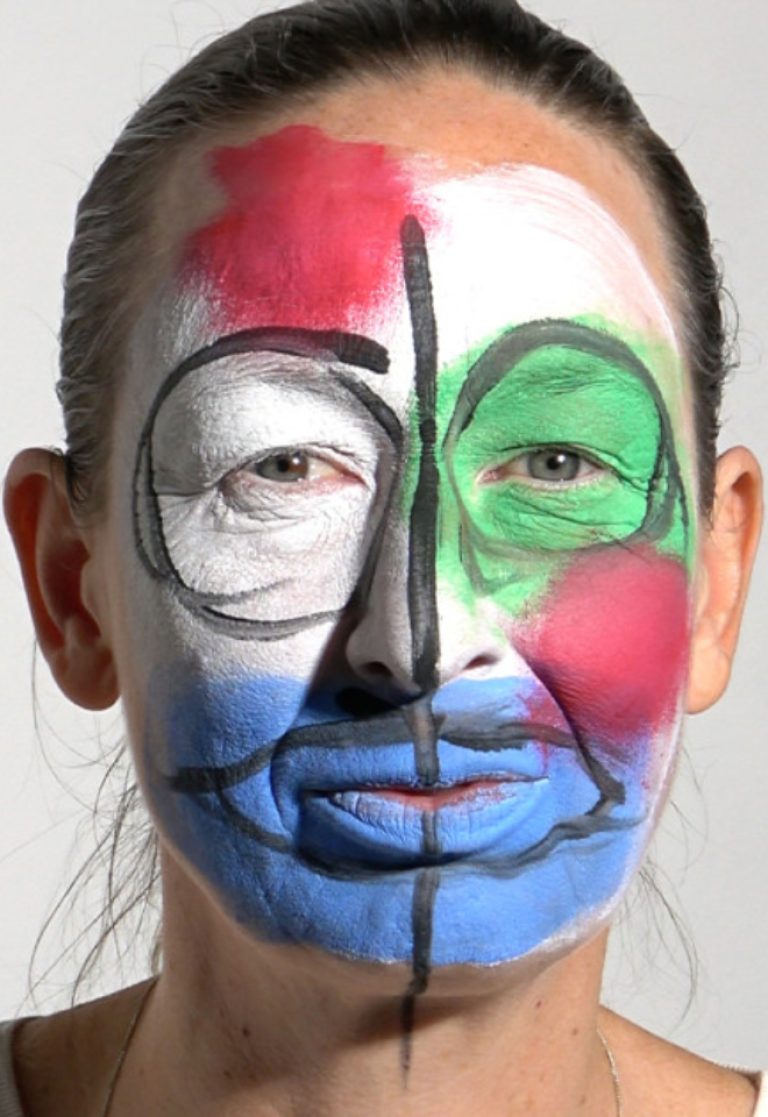
Luna Maurer is a mixed media designer, artist, lecturer and author with a focus on digital technologies’ impact on daily life. She explores human characteristics through installations, performances, web experiences, and films. She co-founded studio Moniker, known for participatory and web-based projects, and co-authored the influential manifesto Conditional Design. Currently, she’s redefining perspectives on digital technology and co-authored the Designing Friction manifesto, advocating friction in digital culture.


Feb 17 — 21, 2025
interdisciplinary workshops

Tereza Ruller, The Rodina
The Hazard Spaces
Only for master students
Designing a playful experience with critical board games
Games are a reflection of societal values, aspirations, and struggles—making them powerful tools for critical engagement. This workshop provides an opportunity to develop design skills while tackling contemporary issues through playfulness, storytelling, and interaction. Participants will gain hands-on experience in integrating game mechanics, visual communication, and narrativity into an engaging design project in the form of a board game.
By the end of the workshop, we aim to inspire participants to recognize the potential of game design as an apparatus for activism. We want them to see games not only as entertainment but as powerful tools for discussion, proposing alternatives, and encouraging collective reimagination of the world we live in.
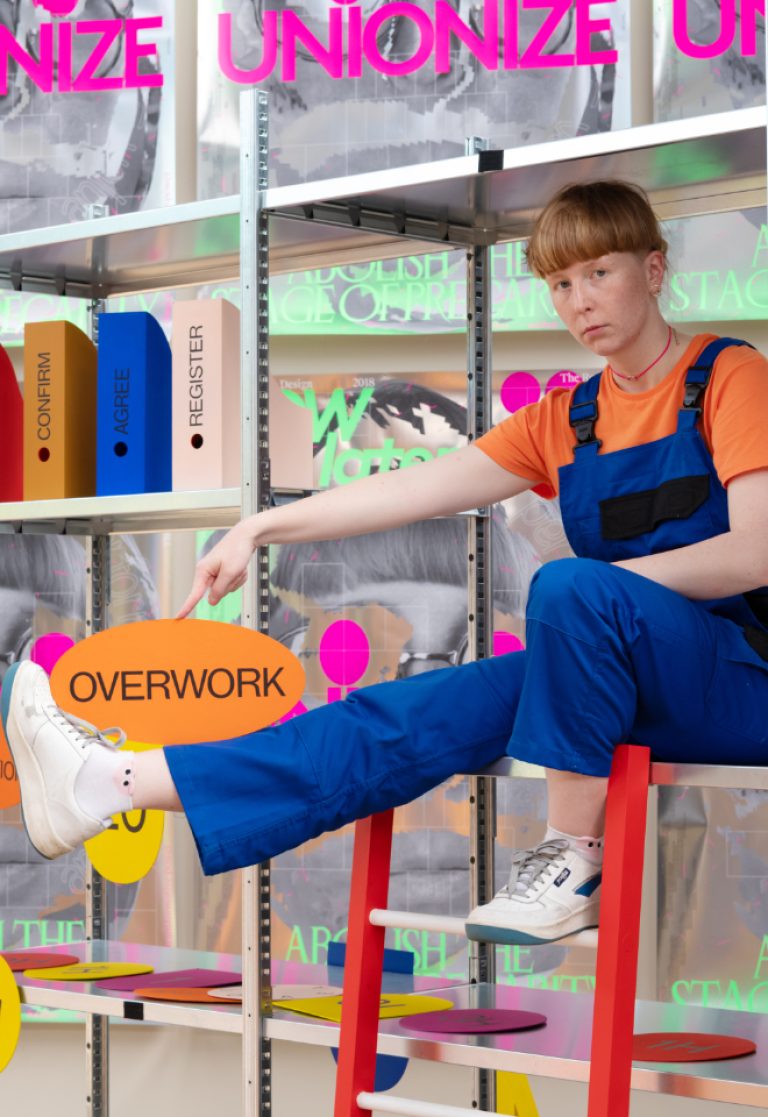
Tereza Ruller (she/her) identifies as a mother, a communication designer, and an educator. In her practice
—The Rodina— she investigates the performative and critical approach toward communication design. Her transdisciplinary approach emphasizes the power of playfulness, active spectatorship, and relations between human and nonhuman actors. Ruller’s work thrives in the cultural context, weaving together participatory events, spatial installations, virtual environments, and visual identities.
Engaging with the ecological and social issues of our time, she seeks to foster collective reimagination and to embrace the interdependence that defines our shared world. Tereza Ruller is a professor of Communication Design and Digital Practices at HfG Karlsruhe and Critical Narratives tutor at Design Academy Eindhoven.


Feb 17 — 21, 2025
interdisciplinary workshops

Kaave Pour, 21st Europe
Shaping Societies Through Design
Only for master students
Explore how to better apply design and storytelling to shape strategy, systems, and public conversations.
The way we imagine the future shapes how it unfolds. From the worlds of film, media, and entertainment, we’ve seen how visions of the future can shift expectations and inspire action. Design plays a similar role today — not just creating functional solutions, but visualizing paths forward that feel real, relatable, and within reach.
This workshop gives students the opportunity to contribute to this process. By working within the context of a high-speed train, students will create visual narratives that transform broad societal ambitions — like connected infrastructure, collective well-being, and sustainable growth — into clear, actionable ideas. By providing clear parameters for creative exploration, the course encourages deeper thinking, sharper design concepts, and more refined outcomes.
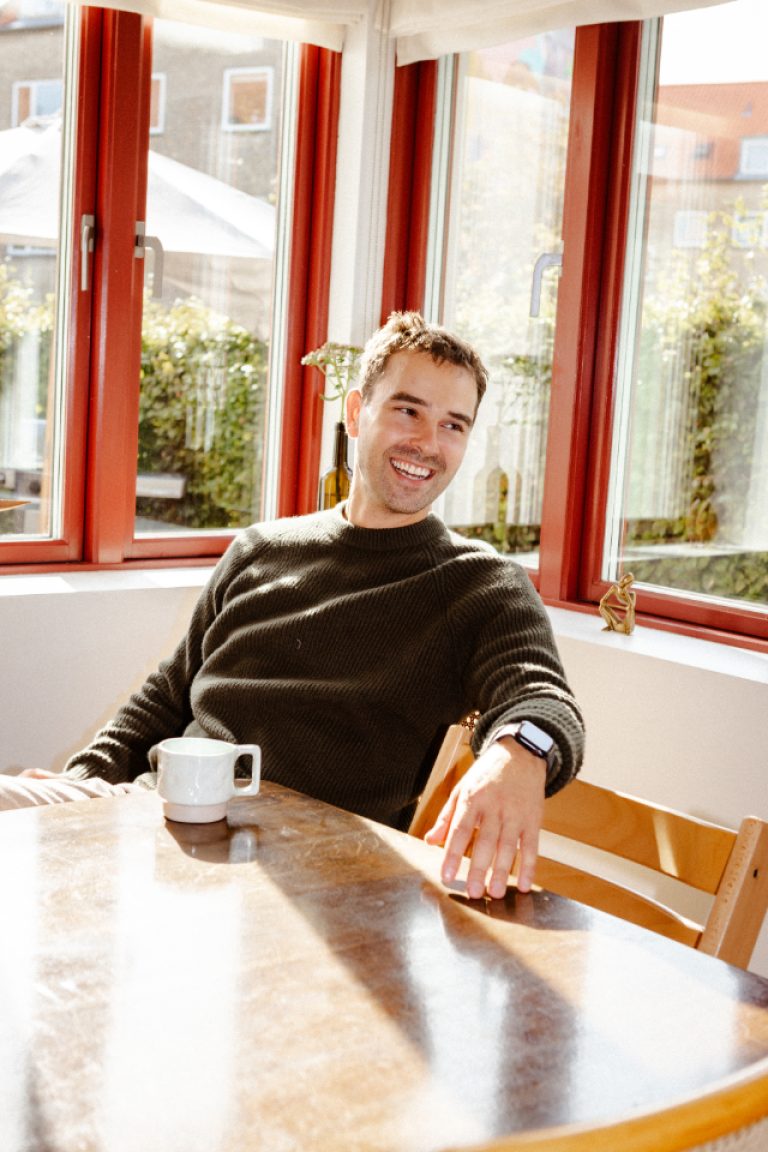
Kaave Pour is a creative entrepreneur and the founder of several ventures focused on reimagining the future through design, policy, and collaboration. Previously, he was the co-founder, CEO, and Creative Director of SPACE10, the acclaimed R&D lab known for its pioneering design explorations in partnership with IKEA, Apple, and MIT.
Kaave also leads Sun-Sun, a venture focused on rethinking the home through thoughtful design and technology. His work spans design, culture, and innovation, with a focus on ideas that create new possibilities for how we live, work, and connect. As Chair of the Danish Design Awards, he advocates for design as a way to create thoughtful, tangible impact on how we live and interact with the world.


