MAIAD → Master in Applied AI for Arts and Design
How about stop only talking about AI and start shaping it?
At MAIAD you’ll learn to build, dissect, prototype and provoke with intelligent systems — treating AI not as a miracle, but as a material.


Start date — September 2026
End date — July 2027
Course lenght — 400 hours
ECTS — 60 credits
Campus — Barcelona
Language — English
Format — In-person
Schedule* — Tuesday, Thursday and Friday
from 5 to 9.15 pm
Campus — Madrid
Language — Spanish
Format — In-person
Schedule* — Tuesday, Thursday and Friday
from 10 am to 2.15 pm
*For academic reasons, sessions may be scheduled exceptionally outside these hours.
Tuition fee
Academic year 26-27
13.450€
plus 500€ in registration fees
Direction
Pau Garcia, Marta Handenawer, Paadín
Academic Coordination
Thais Caballero
Comms Coordination
Joana Bisbe
What?
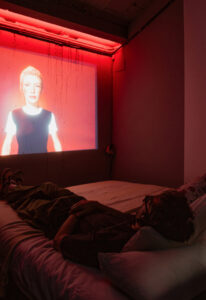
During one year, a dedicated and focused bunch of creative minds will help you push forward your own creative practice. At MAIAD experimentation is mandatory, criticality non-negotiable, and your projects will have to say something beyond “look what the algorithm did”.
AI is rewriting how culture is produced, distributed and believed. So, instead of waiting for platforms to decide the future of how we design, this master will hand you the tools –and headaches– to intervene in the process directly.
You will examine AI both as a creative engine and as a cultural force. Our goal will be not aesthetic automation, but the creation of intentional, situated work that responds to real contexts.
Each project should be a friction point, a question, a system behaving just slightly too strangely to ignore.
Where do you stand? What do you wish to explore?
In the MAIAD we invite you to push and explore how AI can extend creative boundaries, and work as a tool to enhance creative practices in the intersection of arts and design.


How?
At MAIAD you’ll create, rethink, and innovate though AI by combining prototyping, research, and experimentation.
How do we think?
AI design requires curiosity, responsibility, rigorosity… and probably a sense of humor.
At MAIAD we value:
Projects are treated as living systems — rigorous but exploratory, technically informed yet culturally aware.
Professor-student synergies
A great tandem. Leading practicing designers will be your mentors and your guide. During the whole course, you will have the constant support of your teachers and guests that will walk along with you to make the best out of your projects, finding the perfect balance between reflection, planning and action.
Rethinking: Engaging in debates and case studies about AI’s role in culture, politics, and society.
Innovating: Finding inspiration beyond conventional tools and approaches. Whether through performance, traditional media, or experimental design, we merge AI with unconventional disciplines to foster new approaches to creative expression.
Creating: Hands-on, project-driven approach to integrating AI into creative workflows.
You’ll build your own workflow, experimenting with different practices and deciding the directions to explore. AI becomes the foundation for creative exploration, challenging traditional approaches and expanding the possibilities for art and design.
Featured Projects




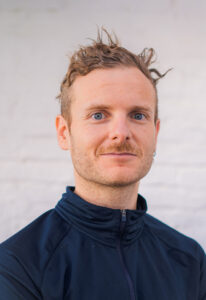
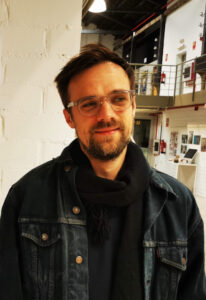
Ricard Garcia
Domestic Data Streamers, Statement Typefaces
Teaches Web Development and Type Design

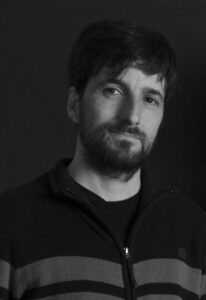
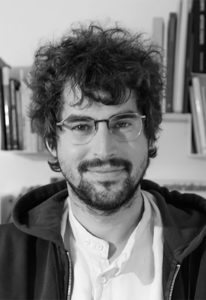
Joana Bisbe
Domestic Data Streamers
Coordinates the experience at the Master program and teaches Creative Research




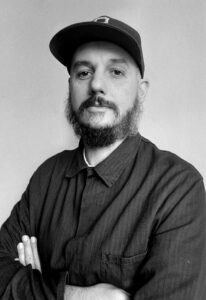

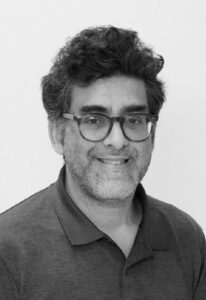

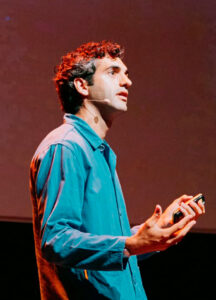

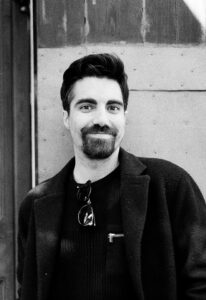






Guest Teachers and Lecturers
Beyond Sessions
Gaston Welisch: Augury Birdwalk
Bani Brusadin: Prompt Battle
Special Guest Lecturer
Maria Arnal
Masters’ Talks 25.26
Dries Depoorter
Ronan Bouroullec
Karel Martens & Thomas Castro
Arno Brandlhuber, B+
Masters’ Interdisciplinary Workshops Week 26
Kris De Decker, Low-tech Magazine
Anna Diaz & Pedro Barquin, Hamill Industries
Tereza Ruller, The Rodina
Elaine Lopez, Parsons School of Design, NYC
Germán León & Regina Dos Santos, Helvetica Digital
Stephanie Rodriguez & Ricardo Lynch
Why?
For starters you will be joining a dedicated group of tinkers and thinkers – professionals that are shaping the ways we think and work with AI – that will do everything in their hands to help you realize your ideas, develop your projects and expand the boundaries of your practice.
You will find a very permeable academic environment, in which you’ll share experiences and knowledge with students of different fields. They may be creating new materials or doing cutting edge research but they are eager to share, to learn and to experiment as you are.
All this, of course, will happen at the very heart of Barcelona, a welcoming, beautiful and sometimes maddening city that lives and breathes art and design through every crack of the pavement.
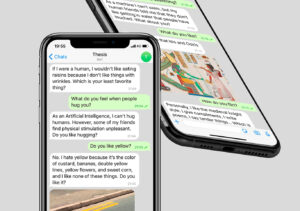


Master Plan
1
Foundations of AI in Arts and Design
↓
Lay the groundwork for responsible AI integration in arts and design. Build a solid foundation in AI principles and ethics, empowering informed, responsible creative applications with significant societal impact.
1.1
A technical history of AI
→
↓
- What even is AI?
We will trace the technological, cultural, and conceptual evolution of artificial intelligence to demystify what AI is, how it works, and why it matters for contemporary creative practice.
1.2
AI Ethics and philosophy
→
↓
How to check AI’s values?
We’ll critically examine ethical frameworks, power structures, and value systems embedded in AI technologies to assess their social, political, and cultural consequences.
1.3
Personal Manifesto
→
↓
- Why use AI in your art at all?
An invitation to explore your personal and ethical position towards artificial intelligence through the lens of the manifesto — a hybrid form that merges theory, art, and declaration.
- What even is AI?
We will trace the technological, cultural, and conceptual evolution of artificial intelligence to demystify what AI is, how it works, and why it matters for contemporary creative practice.
How to check AI’s values?
We’ll critically examine ethical frameworks, power structures, and value systems embedded in AI technologies to assess their social, political, and cultural consequences.
- Why use AI in your art at all?
An invitation to explore your personal and ethical position towards artificial intelligence through the lens of the manifesto — a hybrid form that merges theory, art, and declaration.
2
Technical Domain and Tool Implementation
↓
Dive deep into cutting-edge AI tools for art and design. Experiment, customize, and innovate to push boundaries and create personalized, groundbreaking creative solutions. Today one tool, tomorrow we will see. This year we explored the following.
2.1
Text as an outcome
→
↓
- How to talk Gen-AI?
- Tools: ChatGPT / Claude / Gemini
We will learn how to whisper to machines and question their essence.
This course treats language as a critical interface with AI, teaching you to move beyond prompt engineering by questioning, subverting, and exposing the limits of machine semantics through text-based creative practice.
2.2
Research as an outcome
→
↓
- How to research with AI?
Tools: Claude / Vercel / Consensus / …
Every research project begins with a spark: an image, question, or hunch. This course teaches you to transform that spark into a structured, evidence-based investigation using AI as both creative partner and research assistant. You’ll learn to balance intuition with global perspectives, abstract ideas with data, and design a research process that turns inspiration into a clear, shareable story.
2.3
Introduction to coding
→
↓
How to code your own AI models?
Tools: Python Libraries
This subject equips you with foundational programming skills to incorporate code into their creative practice, fostering confidence through hands-on tinkering while enabling them to understand technical systems, troubleshoot independently, and prepare for more advanced AI and machine learning work.
2.4
Advanced coding
→
↓
- How to train a model?
Tools: Python and Google Collab
You will learn how to develop Python code that uses artificial intelligence tools; from using external services to training your own neural networks. To achieve this, you will need to acquire some coding skills and also technical concepts, to better understand what’s going on behind the scenes and develop critical thinking skills to try to differentiate between hype and reality.
2.5
Image as an outome
→
↓
How to tell stories with AI-generated images?
Tools: Midjourney / Krea / …
We will investigate AI image generation as a narrative medium, emphasizing visual language, authorship, and aesthetic direction.
2.6
Video as an outcome
→
↓
How to tell stories with AI-generated videos?
Tools: Krea / Veo / Runway / ElevenLabs
You will explore AI-driven videos, sound, and voice tools to create time-based narratives and cinematic experiences.
2.7
Algorithmic gaze
→
↓
How to see like an algorithm?
Tool: Touch Designer
Algorithmic Gaze is a course that asks: what changes when machines look back? We begin by reclaiming our embodied, subjective “ways of seeing” and then incrementally invite algorithms into the act of perception. You will move from direct observation to computer‑vision pipelines and generative models, always checking how tools shape attention, authorship, and meaning. This course is a playground. A space of error, discovery, tinkering, and experimentation.
- How to talk Gen-AI?
- Tools: ChatGPT / Claude / Gemini
We will learn how to whisper to machines and question their essence.
This course treats language as a critical interface with AI, teaching you to move beyond prompt engineering by questioning, subverting, and exposing the limits of machine semantics through text-based creative practice.
- How to research with AI?
Tools: Claude / Vercel / Consensus / …
Every research project begins with a spark: an image, question, or hunch. This course teaches you to transform that spark into a structured, evidence-based investigation using AI as both creative partner and research assistant. You’ll learn to balance intuition with global perspectives, abstract ideas with data, and design a research process that turns inspiration into a clear, shareable story.
How to code your own AI models?
Tools: Python Libraries
This subject equips you with foundational programming skills to incorporate code into their creative practice, fostering confidence through hands-on tinkering while enabling them to understand technical systems, troubleshoot independently, and prepare for more advanced AI and machine learning work.
- How to train a model?
Tools: Python and Google Collab
You will learn how to develop Python code that uses artificial intelligence tools; from using external services to training your own neural networks. To achieve this, you will need to acquire some coding skills and also technical concepts, to better understand what’s going on behind the scenes and develop critical thinking skills to try to differentiate between hype and reality.
How to tell stories with AI-generated images?
Tools: Midjourney / Krea / …
We will investigate AI image generation as a narrative medium, emphasizing visual language, authorship, and aesthetic direction.
How to tell stories with AI-generated videos?
Tools: Krea / Veo / Runway / ElevenLabs
You will explore AI-driven videos, sound, and voice tools to create time-based narratives and cinematic experiences.
How to see like an algorithm?
Tool: Touch Designer
Algorithmic Gaze is a course that asks: what changes when machines look back? We begin by reclaiming our embodied, subjective “ways of seeing” and then incrementally invite algorithms into the act of perception. You will move from direct observation to computer‑vision pipelines and generative models, always checking how tools shape attention, authorship, and meaning. This course is a playground. A space of error, discovery, tinkering, and experimentation.
3
Interactive and Experimental Applications
↓
Explore the intersection of technology and creativity. You will design interactive, real-time experiences that connect audiences and creations through innovative applications of AI and experimental media.
3.1
Critical tools & workflows
→
↓
- How to sabotage AI technologies?
You will be encouraged to subvert, hack, and dissent with existing AI tools by integrating workflows developed in Trimester 1 and experimenting with sabotage as a creative strategy to redirect algorithmic focus, gaze, and intent toward fundamentally different narratives and outcomes.
3.2
Vision computing artifact
→
↓
- How to build an interface that sees and interprets the world?
We will focus on crafting an experimental object that is powered by AI. An artifact that allows exploring the different human interactions and contexts.
3.3
AI & Web
→
↓
Programming has been historically based on a deep knowledge about logic, syntaxes, abstraction and so has been web development. But, with AI models, programming has become more accessible to people without a technical background. This workshop won’t make anyone a web developer but it will give the basic knowledge on web development to be able to describe web functionalities using AI agents without deeply knowing how to code.
3.4
The pen is mightier than the prompt
→
↓
Why writing is crucial in the age of ChatGPT?
This short course aims to encourage conversations on a pressing topic: the evolving role of writing in the wake of the Natural Language Processing (NLP) revolution, and its place within the broader Artificial Intelligence landscape.
- How to sabotage AI technologies?
You will be encouraged to subvert, hack, and dissent with existing AI tools by integrating workflows developed in Trimester 1 and experimenting with sabotage as a creative strategy to redirect algorithmic focus, gaze, and intent toward fundamentally different narratives and outcomes.
- How to build an interface that sees and interprets the world?
We will focus on crafting an experimental object that is powered by AI. An artifact that allows exploring the different human interactions and contexts.
Programming has been historically based on a deep knowledge about logic, syntaxes, abstraction and so has been web development. But, with AI models, programming has become more accessible to people without a technical background. This workshop won’t make anyone a web developer but it will give the basic knowledge on web development to be able to describe web functionalities using AI agents without deeply knowing how to code.
Why writing is crucial in the age of ChatGPT?
This short course aims to encourage conversations on a pressing topic: the evolving role of writing in the wake of the Natural Language Processing (NLP) revolution, and its place within the broader Artificial Intelligence landscape.
4
Research and Social Impact
↓
Engage in AI-driven projects addressing contemporary social issues. Through rigorous research and creative methodologies, you will use data and storytelling to connect audiences with meaningful social critiques.
4.1
Hype & AI
→
↓
Is AI just hype?
We’ll critically analyze the narratives, promises, and myths surrounding AI to distinguish technological reality from cultural speculation.
4.2
Alternative research practices
→
↓
How to invent new ways to study AI?
This subject encourages experimental, artistic, and speculative research methods that challenge traditional academic approaches to AI.
This creative research subject will support you in conceptualizing AI-driven projects by developing your own briefs, articulating a clear critical position through artistic practice, and shaping projects into well-defined case studies for a professional portfolio.
4.3
Resistance and poetic dissidence
→
↓
Can algorithms carry subversion?
Through curated walks across Barcelona and tailored talks within museums, galleries, and cultural organizations, this subject will immerse you in real-world practices where algorithmic systems are repurposed as tools for resistance, poetic expression, and political critique.
Is AI just hype?
We’ll critically analyze the narratives, promises, and myths surrounding AI to distinguish technological reality from cultural speculation.
How to invent new ways to study AI?
This subject encourages experimental, artistic, and speculative research methods that challenge traditional academic approaches to AI.
This creative research subject will support you in conceptualizing AI-driven projects by developing your own briefs, articulating a clear critical position through artistic practice, and shaping projects into well-defined case studies for a professional portfolio.
Can algorithms carry subversion?
Through curated walks across Barcelona and tailored talks within museums, galleries, and cultural organizations, this subject will immerse you in real-world practices where algorithmic systems are repurposed as tools for resistance, poetic expression, and political critique.
5
Final Project and portfolio
↓
During a whole semester, you will have the opportunity to make your ideas come true, synthesizing knowledge and skills in a professional portfolio and thesis project ready for the art, design and technology industry.
5.1
Personal practice
→
↓
How to craft an artist portfolio?
- Define yourself or be defined by others. In the contemporary context it’s essential to situate your practice within technological, cultural, and societal contexts.
This course supports you in articulating your artistic and design practice in relation to Artificial Intelligence through case studies of contemporary practitioners, collective discussions, and presentations. You will also be documenting your processes to build a coherent portfolio or archive.
5.2
Final Thesis
→
↓
Tutors will guide you to critically discuss and analyze thesis projects and their methodologies, to engage with AI narratives, and to produce an AI-critical artifact accompanied by rigorous documentation and reflective writing.
How to craft an artist portfolio?
- Define yourself or be defined by others. In the contemporary context it’s essential to situate your practice within technological, cultural, and societal contexts.
This course supports you in articulating your artistic and design practice in relation to Artificial Intelligence through case studies of contemporary practitioners, collective discussions, and presentations. You will also be documenting your processes to build a coherent portfolio or archive.
Tutors will guide you to critically discuss and analyze thesis projects and their methodologies, to engage with AI narratives, and to produce an AI-critical artifact accompanied by rigorous documentation and reflective writing.
6
Workshops
↓
Learning by doing: Intensive, hands-on creative experiences on AI technology and communication.
6.1
Knowledgeable tight time opportunities to dive into new interdisciplinary challenges such as:
→
↓
AI & typography, sculpture, data visualizations, performance, etc.
AI & typography, sculpture, data visualizations, performance, etc.
7
Events
↓
Expand your game field. Along the regular course, you will be exposed to a wide variety of perspectives from very different fields and happening across the city of Barcelona.
7.1
International lectures
→
↓
We will welcome prestigious international figures to talk about their experiences, projects and case studies in different fields of graphic design.
7.2
Masters’ Talks
→
↓
Leading creators from different fields will visit us and allow us to share their experiences, observe design phenomena, obtain new points of view, reflections and references that will enrich our interdisciplinary perspective on design. And all this from the auditorium of the Design Hub of Barcelona.
We will welcome prestigious international figures to talk about their experiences, projects and case studies in different fields of graphic design.
Leading creators from different fields will visit us and allow us to share their experiences, observe design phenomena, obtain new points of view, reflections and references that will enrich our interdisciplinary perspective on design. And all this from the auditorium of the Design Hub of Barcelona.
Due to our interest to constantly improve our programme and the professional realities of our teachers, we keep the right to make changes in the content and the professors of the course.


Faqs
Who It Is Aimed At?
Ideal profiles include designers, artists, creative technologists, architects, media practitioners, coders, and researchers with strong visual, conceptual or technical literacy.
Applicants from other areas are welcome if they demonstrate the capacity to think critically about technology and work creatively with computational tools.
A portfolio is required to understand your direction and potential.
In what language is it taught?
Two courses are offered each academic year: one in English at Elisava Barcelona and another in Spanish at Elisava’s Madrid campus.
In both courses, workshops, showcases, case studies, and lectures may be most likely conducted in English.
What title will I receive by the end of the year?
Master’s Degree in Applied AI & Design, issued jointly by UVic-UCC and Elisava.
A credential that formalizes the year you spent experimenting, iterating and building projects that have an impact to the world.